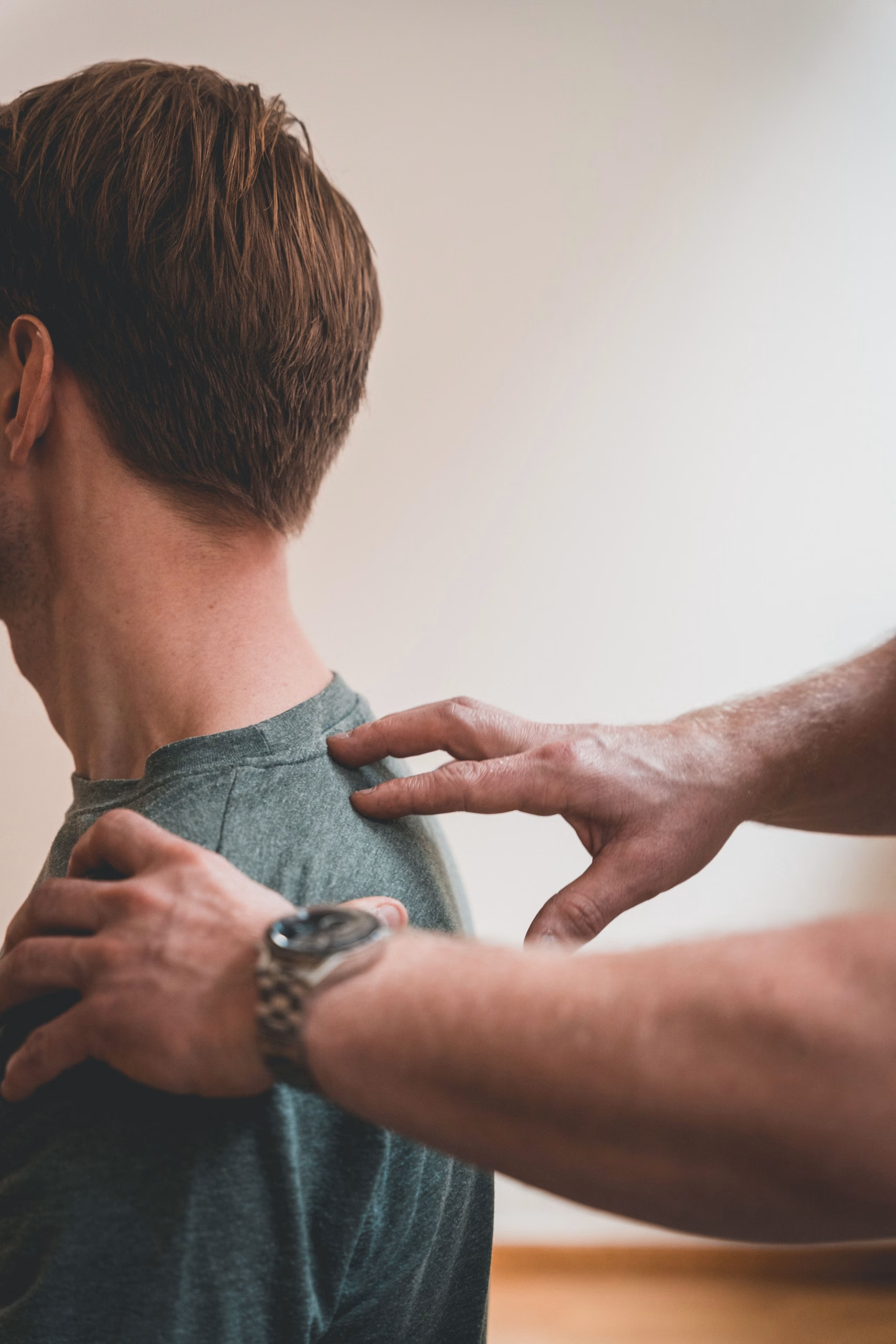

You’ve had the headache again.
Not the dramatic kind. Not the kind that sends you to emergency. The other kind — the slow, familiar one that builds through the afternoon like a weather front rolling in off the Southern Ocean. You rub the back of your neck. You squint at the screen. You take something for it, and by tomorrow morning it’s gone.
Until Thursday. When it’s back.
You’ve stopped questioning it. It’s just what your body does now. A headache here, a tight neck there, a dull ache behind the eyes that comes and goes like an uninvited guest who knows where you keep the spare key.
But here’s the thing nobody’s told you: that headache has a logic to it. It’s not random. It’s not bad luck. And it’s not “just stress.” Something in the way your body moves, loads, breathes, or holds itself through the day is creating the conditions for that pain — and until someone looks at the whole picture, the pattern won’t change.
That’s what this guide is about.
We’ll start with how common headaches actually are — because the numbers will reframe how you think about your own. Then we’ll walk through the four types I see most often in clinic, so you can start recognising which one sounds like yours. From there, we’ll cover the red flags worth knowing about, the triggers that keep the cycle spinning, and the evidence-based strategies that can genuinely help — including what osteopathic care brings to the table.
The goal isn’t to make you an expert on headaches. It’s to give you enough understanding that the next time one hits, you’re not just reaching for the packet in the cupboard — you’re asking a better question. A question about why.
📌 KEY TAKEAWAYS:
- Recurring headaches usually have a pattern.
- If your headaches keep showing up at similar times, in similar places, or after similar days, they may be linked to how your body is loading, moving, breathing, sleeping, or managing stress.
- Not all headaches are the same..
- Tension-type headaches, migraine, cluster headaches, and cervicogenic headaches each behave differently. Understanding the type changes the next step.
- Red flags matter.
- Sudden, severe, unusual, worsening, or neurologically linked headaches should be assessed promptly by a GP or emergency service.
- The useful question is not just “how do I stop this?”
- For recurring headaches, the better question is often: “What keeps setting this up?” That is where assessment, education, and a more complete plan can make the conversation clearer.
How Common Are Headaches? More Common Than Anyone’s Talking About
Here’s a number that should stop you mid-scroll.
Nearly 2.9 billion people worldwide were living with a headache disorder in 2023. That’s not a typo. The Global Burden of Disease Study 2023 — published in The Lancet Neurology and the most comprehensive headache analysis ever conducted — found a global age-standardised prevalence of 34.6%. The disability burden in women was more than double that of men (Husøy et al., 2025).
Let that land for a moment. One in three adults on the planet. And headache disorders now rank among the leading causes of years lived with disability worldwide — ahead of conditions that get ten times the attention and a hundred times the funding.
In Australia, the picture is just as sobering. The Australian Institute of Health and Welfare reported that 1.7 million Australians were living with migraine in 2022 — making it the country’s most common neurological condition by a significant margin. Health spending on migraine alone reached $593 million. Females were almost twice as likely as males to be affected — roughly 1 in 9 women, compared to 1 in 16 men (AIHW, 2025).
And here’s the part that bothers me most as a clinician: a 2025 analysis of Australian primary care records found that more than 40% of people with migraine had never sought medical care (Limberg et al., 2025). They’d never had their headaches properly assessed. Never had anyone look at their neck, test their range of motion, or ask about their sleep. They just… managed.
In regional communities like ours — where specialist access is limited and the nearest neurologist might be hours away — that number is almost certainly higher.
So if you’ve been treating your headaches as a nuisance rather than a signal, you’re in vast company. But you don’t have to stay there.
Understanding what type of headache you’re dealing with is the first step. And it changes the conversation entirely.
What Kind of Headache Do You Have?
Not all headaches are wired the same. And treating them like they are is one of the reasons they keep coming back.
Headaches split into two broad camps: primary — where the headache itself is the main event — and secondary — where the pain is a symptom of something else happening underneath. The four types I see most often in clinic sit across both camps, and each one has a different feel, a different behaviour, and a different set of answers.
Here’s how to start telling them apart.
Tension-Type Headache — The One You’ve Been Writing Off
You know this one. You just don’t call it by name.

It’s that dull, bilateral pressure that builds through the afternoon — like someone’s slowly winding a ratchet strap around your skull. Not sharp. Not throbbing. Just heavy and persistent, sitting across your forehead and temples like a weight you can’t quite shake.
Your neck feels tight. Your shoulders are up around your ears without you noticing. You might catch yourself clenching your jaw at the desk. The pain doesn’t spike when you move — it just… lingers. And by the time you get home, you’re reaching for paracetamol and calling it a day.
This is the most common headache type on the planet (Shah, Asuncion & Hameed, 2024). Lifetime prevalence sits between 46–78%, with women affected roughly three times more than men. The usual contributors — stress, dehydration, poor sleep, sustained neck loading from screen time or driving — aren’t exactly rare in Warrnambool’s working population.
Most people write this one off as background noise. “Just a headache.” But when it’s showing up two or three times a week, it’s not just anything. It’s your neck telling you something — and the message isn’t going to stop because you’ve learned to tune it out.
Remember that logic we talked about in the intro? This is where it starts. A headache with a pattern is a headache with a cause.
Migraine — The One That Takes the Whole Day With It
If you’ve had a migraine, you don’t need a description. You need a dark room, silence, and for everyone to leave you alone for the next 12 hours.
But for those who haven’t experienced one: imagine a throbbing pain — usually one side of your head — that builds and builds until the light from the window feels like someone’s pressing a torch against your eyeball. Your stomach turns. Sound amplifies. The world shrinks to the size of the pillow you’ve buried your face in.
Some people get a warning. Visual disturbances before the pain arrives — flashes of light, blind spots, shimmering lines at the edge of your vision. That’s the aura. About 20% of migraine sufferers experience it. The other 80% just get hit.

Migraine isn’t a headache with attitude. It’s a neurological condition in its own right (Pescador Ruschel & De Jesus, 2024). It affects around 12% of the global population — roughly 17% of women and 6% of men — with attacks typically peaking in the mid-30s to 40s. Genetics, hormonal fluctuations, stress, sleep disruption, sensory overload, and certain foods all act as triggers. Globally, migraine ranks as the second leading cause of years lived with disability, sitting behind only low back pain.
The frustrating reality? Most people with migraine self-manage. They learn their triggers through trial and error, stockpile their preferred medication, and ride it out. That works — until the frequency climbs, the days lost start stacking up, and the medication that used to help starts causing its own rebound headaches.
If migraines are stealing days from your week, that’s not something to push through. That’s something to understand.
Cluster Headache — Rare, but You’ll Never Forget It
If tension headaches are the dull hum of a fluorescent light, cluster headaches are a fire alarm at 3am.
Excruciating. One-sided. Usually behind or around the eye, like someone’s driving a hot spike through the socket. The pain peaks within minutes and can last anywhere from 15 minutes to three hours. It can hit multiple times in a single day, cluster over weeks or months, then disappear for years before roaring back without warning.

During an attack, the affected eye may water or redden, the nostril on that side may run or block, and the eyelid may droop — autonomic symptoms that help distinguish cluster headaches from other types (Wei, Ong & Goadsby, 2018). Sufferers often can’t lie still — restlessness and agitation during an episode are so characteristic that they’re considered a diagnostic feature of the condition (Wei, Ong & Goadsby, 2018). The male-to-female ratio sits around 2.5:1, with alcohol, strong smells, and disrupted sleep among the most common triggers.
Because the presentation can overlap with migraine or sinus conditions, cluster headaches are frequently misdiagnosed — which delays access to treatments with strong evidence behind them, including high-flow oxygen therapy and triptans used early in an attack (Wei, Ong & Goadsby, 2018). If this sounds like what you’re experiencing, a neurologist needs to be part of the conversation.
This isn’t a headache you manage with paracetamol and willpower. It’s a headache that requires the right diagnosis to get the right treatment.
Cervicogenic Headache — The One Your Neck Has Been Trying to Tell You About
This is where osteopathy earns its seat at the table.
Cervicogenic headaches start in your neck — specifically, the upper cervical spine. The joints at C1 and C2, the muscles that stabilise your head on your spine, the nerves that weave through that region — when any of these structures are irritated, they can refer pain upward. Into the base of the skull. Across the temple. Behind the eye. Over the top of the head (Al Khalili, Ly & Murphy, 2022).
The pain is steady. Non-throbbing. Usually one-sided. And here’s the giveaway: it responds to what your neck does. Turn your head and the headache sharpens. Look up for too long and it builds. Cough or sneeze and it flares. Pain medication often barely touches it — because the medication is targeting the head, and the problem is in the neck.
You might also notice your neck range of motion isn’t what it used to be. Maybe you can’t check your blind spot as easily when driving. Maybe your neck feels “stuck” on one side in the morning. These are clues — and they’re the kind of clues that only show up when someone actually assesses how your neck moves, not just where your head hurts.

Cervicogenic headaches account for roughly 1–4% of all headache presentations, with nearly equal prevalence in men and women (Al Khalili, Ly & Murphy, 2022). They develop after whiplash, sustained forward head posture, or jaw dysfunction — and they’re frequently missed because they mimic tension headaches or migraine to anyone who isn’t testing the cervical spine.
The headache tells part of the story. The neck tells the rest. And this is exactly where a thorough physical assessment changes the game — connecting what you feel in your head to what’s actually happening in your body.
Remember what we said at the start? Your headache has a logic. For cervicogenic headaches, the logic lives in your neck. Finding it is the first step. Understanding it is what makes the difference last.
If you’re reading this and thinking “that sounds like mine” — good. That recognition is the beginning. Book a consultation at The Barefoot Osteo in Warrnambool and let’s figure out what’s behind it. Book a consultation
When Should You Actually Worry?
Most headaches are uncomfortable, not dangerous. They’re your body’s way of waving a yellow flag, not a red one.
But red flags do exist. And knowing what they look like means you won’t waste time worrying about the harmless ones — or, more importantly, ignoring the ones that matter.
Clinicians use a mnemonic called SNOOP to screen for serious causes:
S — Systemic symptoms: fever, weight loss, rash, or an underlying condition like cancer or immune compromise
N — Neurological signs: confusion, weakness, vision changes, slurred speech
O — Onset sudden: a “thunderclap” headache that reaches peak intensity within seconds
O — Older age: new-onset headache after 50
P — Positional changes, or a Prior history that has clearly shifted
Also pay attention to headaches that wake you from sleep, come on with physical exertion or coughing, or follow a head injury. Any of these? See your GP. Don’t sit on it and hope it settles. These features can point to conditions where early investigation makes a real difference. (Do et al., 2019).
For everything else — for the recurring, patterned headaches that have become part of your week — the question isn’t whether to worry. It’s what’s driving them. And that’s what we’re about to dig into.
What’s Actually Triggering Your Headache?
Now that you’ve got a sense of what your headache is, the next question is: what keeps setting it off?
This is where a diary becomes worth its weight in medication. Because triggers are personal — and the ones you’d never suspect are often the ones running the show.
Diet and Hydration — The Trigger Hiding in Plain Sight
Skipping meals is one of the most underrated headache triggers going. Blood glucose drops, cortisol and adrenaline rise, and your brain registers it as a threat — sometimes well before you feel hungry (Legesse et al., 2025). The usual suspects — chocolate, aged cheese, processed meats, MSG, red wine, excess caffeine — get plenty of airtime. But irregular eating is a bigger driver for most people than any specific food.

And water. Always water. Even mild dehydration shifts vascular tone enough to bring on a headache. If your first instinct is to reach for a painkiller, try a glass of water and a meal first. You’d be surprised how often that’s the whole answer.
Worth noting: triggers are individual. What floors one person won’t touch another. That’s why a food diary often outperforms a generic “avoid” list — it tells your story, not someone else’s.
Hormones and Sensory Overload
Fluctuating oestrogen is a well-documented migraine trigger — many women notice attacks clustering around their cycle, during pregnancy, or approaching menopause. Bright lights, loud environments, and strong smells can also trip the switch, particularly for migraine and cluster presentations.
And then there’s stress. It drives tension headaches directly, and it amplifies everything else. The cruel part: chronic headaches create their own anxiety, which feeds back into the cycle. It’s a loop that tightens with every turn. Breaking it matters as much as treating the headache itself.
Sleep — The Variable Nobody Wants to Address
Here’s an uncomfortable truth: your sleep might be the single biggest factor in your headache pattern. And it’s probably the one you’re least willing to change.
A study of over 300 participants found that headache sufferers scored significantly higher on depression, anxiety, daytime sleepiness, and insomnia scales compared to controls.
Among tension-type headache patients, 11.4% were at high risk for sleep apnoea, and restless legs were more common across all headache groups (Hamamci & Dumanlidag, 2020). Migraine patients had worse subjective sleep quality across the board.
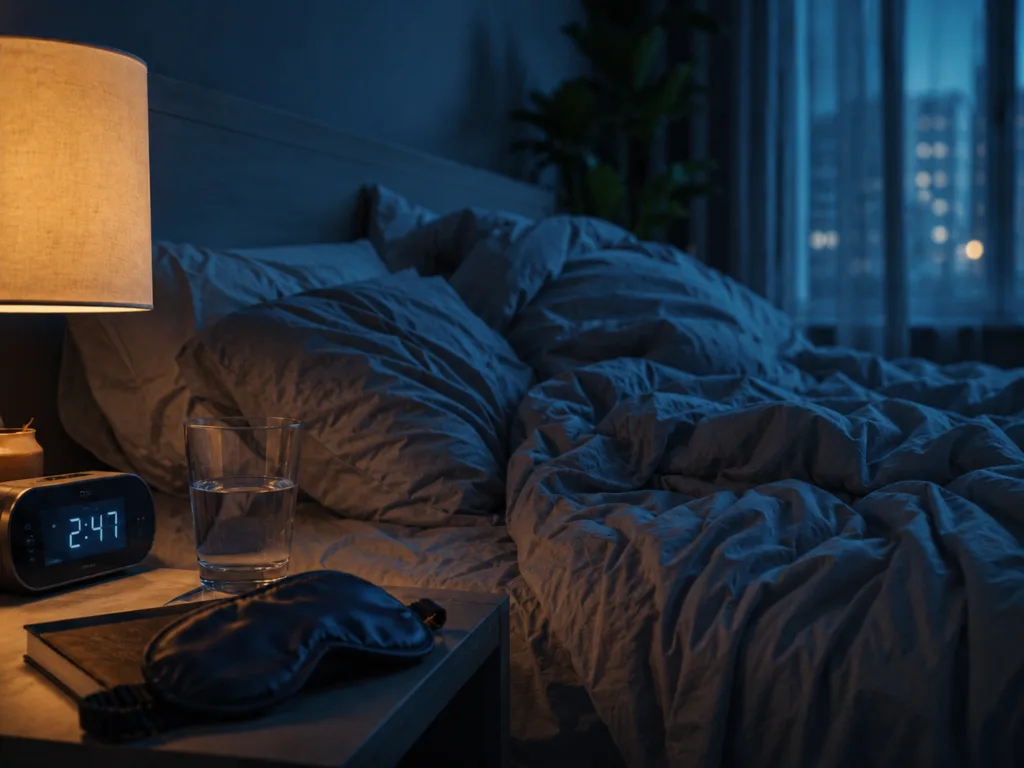
Sleep isn’t a lifestyle bonus. It’s a clinical variable. If your headaches flare when your sleep is off, that’s not coincidence — that’s your body telling you where the lever is.
Posture and How Your Neck Carries the Day
Think about what your head does for eight hours a day. It sits forward of your shoulders — slightly, consistently — while you stare at a screen, drive, cook, scroll. The muscles at the top of your neck absorb that load hour after hour. The joints at C1 and C2 take the strain. And after months or years of that low-grade overload, those structures start referring pain upward — into the head.
Jaw tension makes it worse. Chest breathing instead of diaphragmatic breathing makes it worse. And the combination — forward head, clenched jaw, shallow breathing — is the trifecta I see in clinic more than any other. It’s so common it’s almost predictable.
The evidence backs up what I see on the treatment table. A 2025 network meta-analysis of 14 studies found that cervical spine manipulation ranked highest among manual therapy interventions for reducing headache-related pain, with a 98.9% probability of being the most effective approach. Mobilisation and SNAG techniques also showed meaningful benefit (Xu & Ling, 2025).
Your neck isn’t just along for the ride. For a lot of people, it’s driving the whole thing.
Now you know the type. You know the triggers. Here’s what actually changes the pattern.
📌 KEY TAKEAWAY:
Your triggers are rarely one big thing. More often, they’re ordinary pressures stacking quietly: poor sleep, missed meals, screen posture, shallow breathing, stress, and a neck that has been carrying the day for too long.
What Actually Helps — Evidence-Based Strategies That Work
Here’s where we move from understanding the problem to doing something about it. These strategies aren’t guesswork — they’re grounded in clinical evidence and refined by what I see working in clinic every week.
Keep a Headache Diary
This is the least glamorous recommendation in this entire article — and probably the most useful.

When did the headache start? What did you eat — or not eat? How did you sleep? What were you doing in the hours before it hit? Were you stressed, dehydrated, staring at a screen? Write it down.
Patterns emerge faster than you’d expect. And they give your clinician something concrete to work with — instead of both of you guessing in the dark.
Manual Therapy and Targeted Exercise
This is the bread and butter of osteopathic headache management — and the research says it works.

The 2025 network meta-analysis by Xu and Ling found cervical spine manipulation had the highest ranking for pain reduction in cervicogenic headache, with mobilisation close behind (Xu & Ling, 2025). The earlier Bini et al. (2022) review showed moderate-to-large effects on headache frequency and intensity at short-term, with smaller but sustained benefits over the longer term (Bini et al., 2022).
In practice, that means gentle adjustments to the upper cervical and thoracic spine, soft tissue release around the suboccipital muscles and jaw, and exercises that rebuild deep neck flexor endurance and shoulder blade control. Not cracking. Not forcing. Working with the body to restore how it should be loading.
One important note: that habitual neck cracking you’ve been doing in the car? That’s not the same thing. Self-manipulation often creates more movement in joints that are already loose — while the stiff ones stay stiff. It feels satisfying in the moment, but it’s usually making the problem worse.
This is also why headaches and postural strain often overlap. When your neck and shoulders carry low-grade load for hours at a time, the effects rarely stay in one place.
Postural Strain BLOG for details on holistic osteopathic assessment and care.
Diaphragmatic Breathing — Simple, but Don’t Skip It
When your diaphragm doesn’t do its job, your neck muscles volunteer for the extra shift. The scalenes, sternocleidomastoid, upper trapezius — they step in to help you breathe.

What should be a passive, rhythmic action becomes an active, loaded one. Do that for a few years and you’ve quietly built chronic neck tension from a breathing habit you never even noticed (Page, 2011).
The fix is deceptively simple. One hand on your chest, one on your belly. Breathe in through your nose — belly rises, chest stays quiet. Exhale through pursed lips. Five minutes, twice a day.
It feels too easy to matter. Give it a week. Then tell me your neck feels the same.
Progressive Muscle Relaxation — 15 Minutes That Compound
A 2024 randomised controlled trial of 169 chronic tension-type headache patients found that 12 weeks of progressive muscle relaxation combined with deep breathing produced significant reductions in pain intensity, disability, and improved sleep quality (Gopichandran et al., 2024).

A 2025 study confirmed these benefits extended across both tension-type and migraine presentations (Karakus et al., 2025).
The technique: systematically tense and release muscle groups while focusing on your breath. Start at your feet, work your way up. It takes about 15 minutes.
You can do it on the couch before bed. And it compounds — the more consistently you practice, the lower your baseline tension drops.Think of it as interest working in your favour, except the currency is calm.
Sleep Hygiene — The Boring Answer That Keeps Being Right
Seven to nine hours. Consistent bedtime — yes, even on weekends. Screen time off an hour before bed. Room dark, room cool.

If you snore, wake feeling unrested, or have restless legs, a sleep study is worth pursuing. Addressing sleep apnoea or insomnia alone can meaningfully reduce headache frequency (Hamamci & Dumanlidag, 2020).
Nobody wants sleep to be the answer. But for a lot of people, it stubbornly, reliably is.
Three Exercises Worth Doing Every Day
These aren’t flashy. They won’t look impressive on Instagram. But they work — and they compound over time.
1. Chin tuck: Lying on your back, gently draw your chin toward your throat — like you’re giving yourself a double chin — without lifting your head. Hold 5–10 seconds, repeat 10 times. This rebuilds deep neck flexor endurance, which is often the weak link in people with cervicogenic headaches (Page, 2011).
2. Scapular retraction: Sitting or standing, squeeze your shoulder blades down and together. Hold 5 seconds, repeat 10 times. Counteracts the rounded-shoulder posture that loads your upper neck all day.
3. Diaphragmatic breathing: As above. Five minutes, twice daily. Reduces the accessory muscle load that drives tension into your neck.
These aren’t quick fixes. They’re how you rewrite the pattern — one day at a time, from the ground up.
The Barefoot Approach — Understanding Alongside Treatment
Most headache management focuses on the headache.
We focus on what’s underneath it.
That might mean looking at how your upper cervical spine moves — or doesn’t. How your jaw loads when you’re concentrating. Whether your breathing is helping your neck or slowly fatiguing it. How the way you sit, stand, and carry yourself through the day has gradually shifted the way your body distributes load.
We assess the whole picture — posture, range of motion, muscle activation, breathing — and build a plan that addresses the contributing factors, not just the symptom. Hands-on treatment combined with education and exercises you can actually do. No guesswork. No indefinite treatment plans.

The goal is always the same: give you enough understanding of your own body that you don’t need to keep coming back to figure out what’s wrong. You come back because the approach works — not because you’re dependent on it.
That’s the Barefoot Difference.
Bringing It All Together
Let’s come back to where we started.
Your headache has a logic. It follows a type — tension, migraine, cluster, or cervicogenic — and that type has a behaviour, a set of triggers, and a set of strategies that can change the outcome.
The triggers are usually hiding in plain sight: irregular meals, poor sleep, sustained neck loading, shallow breathing, stress that feeds back on itself. They’re not exotic. They’re just overlooked.
The strategies that help — keeping a diary, manual therapy, targeted exercise, breathing retraining, consistent sleep — aren’t glamorous either. But they’re evidence-based. They compound. And they work best when they’re guided by someone who can see the whole picture and connect your headache to its cause.
That’s the shift. From reacting to the pain, to understanding the pattern. From managing the symptom, to addressing what’s creating it.
Your headache isn’t the problem. It’s the message. Learn to read it, and you won’t need to keep silencing it.
📌 KEY TAKEAWAYS:
- Headaches usually have a logic.
- Recurring headaches are rarely as random as they feel. The pattern may sit in the type of headache, the triggers around it, or the way your neck, jaw, breathing, sleep, and daily load interact.
- Recurring headaches are rarely as random as they feel. The pattern may sit in the type of headache, the triggers around it, or the way your neck, jaw, breathing, sleep, and daily load interact.
- The type matters because the next step changes.
- Tension-type headaches, migraine, cluster headaches, and cervicogenic headaches all behave differently. Understanding the difference helps separate what needs medical attention, what needs tracking, and what may respond to musculoskeletal assessment.
- Tension-type headaches, migraine, cluster headaches, and cervicogenic headaches all behave differently. Understanding the difference helps separate what needs medical attention, what needs tracking, and what may respond to musculoskeletal assessment.
- Triggers are often ordinary, not exotic.
- Irregular meals, poor sleep, dehydration, stress, screen posture, shallow breathing, and sustained neck loading can all keep the cycle spinning. The boring clues are often the useful ones.
- Irregular meals, poor sleep, dehydration, stress, screen posture, shallow breathing, and sustained neck loading can all keep the cycle spinning. The boring clues are often the useful ones.
- The shift is from silencing the symptom to reading the message.
- Medication may have its place, but recurring headaches often need a broader question: what keeps setting this up? That’s where a clear assessment, targeted strategies, and a whole-body view can help make sense of the pattern.
Frequently Asked Questions — Headaches and Osteopathy in Warrnambool
A: Osteopathic treatment may help reduce the frequency and intensity of headaches — particularly cervicogenic and tension-type presentations. Research supports the use of manual therapy combined with exercise for these conditions. Your osteopath will assess your neck, posture, and movement to determine whether musculoskeletal factors are contributing.
A: Key indicators: headache that starts at the base of the skull or neck and radiates forward. Pain that worsens with neck movement. Restricted range of motion. If your headache doesn’t respond well to medication but eases with heat, position changes, or hands-on treatment — neck involvement is worth investigating.
A: If your headache is sudden and severe, worsening over time, associated with fever, neurological symptoms (vision changes, confusion, weakness), or follows a head injury — see a doctor promptly. Don’t wait. These may be red flags for conditions where early investigation matters.
A: Many patients notice improvement within the first few sessions. Research shows moderate-to-large effects on headache frequency at short-term (under 3 months), with smaller but sustained benefits over the longer term. A structured plan over 4–6 weeks is a reasonable timeframe to gauge progress.
A: Consistent sleep, regular meals, adequate water, and daily movement. Add diaphragmatic breathing and chin tucks. Keep a headache diary. These are simple, evidence-supported strategies that compound over time — and they’re free.
A: We can support migraine management as part of a broader approach. While migraines involve neurological factors beyond musculoskeletal care alone, addressing neck tension, breathing mechanics, and stress load can reduce trigger sensitivity. We work alongside your GP or neurologist when specialist input is needed.
If headaches have become part of your week, let’s find out why.
Not with a guess. Not with a prescription. With a proper assessment of what your body’s actually doing — and a clear plan to change it.
Experience the Barefoot Difference. Book a consultation
This information is general in nature and not a substitute for individual clinical advice.
References
Al Khalili, Y., Ly, N. K., & Murphy, P. B. (2022). Cervicogenic headache. StatPearls. https://www.ncbi.nlm.nih.gov/books/NBK507862/
Australian Institute of Health and Welfare. (2025). Neurological conditions in Australia. AIHW. https://www.aihw.gov.au/reports/neurological-conditions/neurological-conditions/
Bini, P., Hohenschurz-Schmidt, D., Masullo, V., Pitt, D., & Draper-Rodi, J. (2022). The effectiveness of manual and exercise therapy on headache intensity and frequency among patients with cervicogenic headache. Chiropractic & Manual Therapies, 30, 49. https://doi.org/10.1186/s12998-022-00459-9
Do, T. P., Remmers, A., Schytz, H. W., Schankin, C., Nelson, S. E., Obermann, M., Hansen, J. M., Sinclair, A. J., Gantenbein, A. R., & Schoonman, G. G. (2019). Red and orange flags for secondary headaches in clinical practice: SNNOOP10 list. Neurology, 92(3), 134–144. https://doi.org/10.1212/WNL.0000000000006697
Foster, E., Chen, Z., Wakefield, C. E., et al. (2024). Australian Headache Epidemiology Data (AHEAD): a pilot study. The Journal of Headache and Pain, 25, 71. https://doi.org/10.1186/s10194-024-01773-8
Gopichandran, L., Srivastava, A. K., Vanamail, P., et al. (2024). Effectiveness of progressive muscle relaxation and deep breathing exercise on pain, disability, and sleep among patients with chronic tension-type headache. Holistic Nursing Practice, 38(5), 285–296. https://doi.org/10.1097/HNP.0000000000000460
Hamamci, M., & Dumanlidag, S. (2020). Sleep disorders accompanying migraine and tension headaches. Journal of Turkish Sleep Medicine, 7(2), 57–64. https://doi.org/10.4274/jtsm.galenos.2020.10820
Husøy, A. K., et al. (2025). Global, regional, and national burden of headache disorders, 1990–2023. The Lancet Neurology. https://doi.org/10.1016/S1474-4422(25)00402-800402-8)
Karakus, A., Uzelpasaci, E., & Akyurek, G. (2025). The comparative effectiveness of progressive relaxation training in women with episodic tension-type headache and migraine. PLOS One, 20(4), e0320575. https://doi.org/10.1371/journal.pone.0320575
Legesse, S. M., Addila, A. E., Jena, B. H., et al. (2025). Irregular meal and migraine headache: a scoping review. BMC Nutrition, 11, 60. https://doi.org/10.1186/s40795-025-01048-8
Limberg, N., Ray, J. C., Harvey, B., et al. (2025). The epidemiology, management, and the associated burden of migraine in Australian primary care. The Journal of Headache and Pain, 26, 186. https://doi.org/10.1186/s10194-025-02103-2
Page, P. (2011). Cervicogenic headaches: an evidence-led approach to clinical management. International Journal of Sports Physical Therapy, 6(3), 254–266. https://pmc.ncbi.nlm.nih.gov/articles/PMC3201065/
Pescador Ruschel, M. A., & De Jesus, O. (2024). Migraine headache. StatPearls. https://www.ncbi.nlm.nih.gov/books/NBK560787/
Shah, N., Asuncion, R. M. D., & Hameed, S. (2024). Muscle contraction tension headache. StatPearls. https://www.ncbi.nlm.nih.gov/books/NBK562274/
Wei, D. Y.-T., Ong, J. J. Y., & Goadsby, P. J. (2018). Cluster headache: epidemiology, pathophysiology, clinical features, and diagnosis. Annals of Indian Academy of Neurology, 21(Suppl 1), S3–S8. https://doi.org/10.4103/aian.AIAN_349_17
Xu, X., & Ling, Y. (2025). Comparative safety and efficacy of manual therapy interventions for cervicogenic headache. Frontiers in Neurology, 16, 1566764. https://doi.org/10.3389/fneur.2025.1566764