Sports Injury Rehab Warrnambool
Most injuries don’t come back. People come back too early.
The Barefoot Osteo Warrnambool assesses sports and movement injuries by looking at what your body has to handle again — strength, control, load, and the demands of your sport — not just the spot that got hurt.
Sound familiar?
You’ve started warming up for the warm-up.
Most active people train around an injury long before they book — The Barefoot Osteo Warrnambool starts by understanding what you’ve been working around.
It’s the extra five minutes in the car park before parkrun.
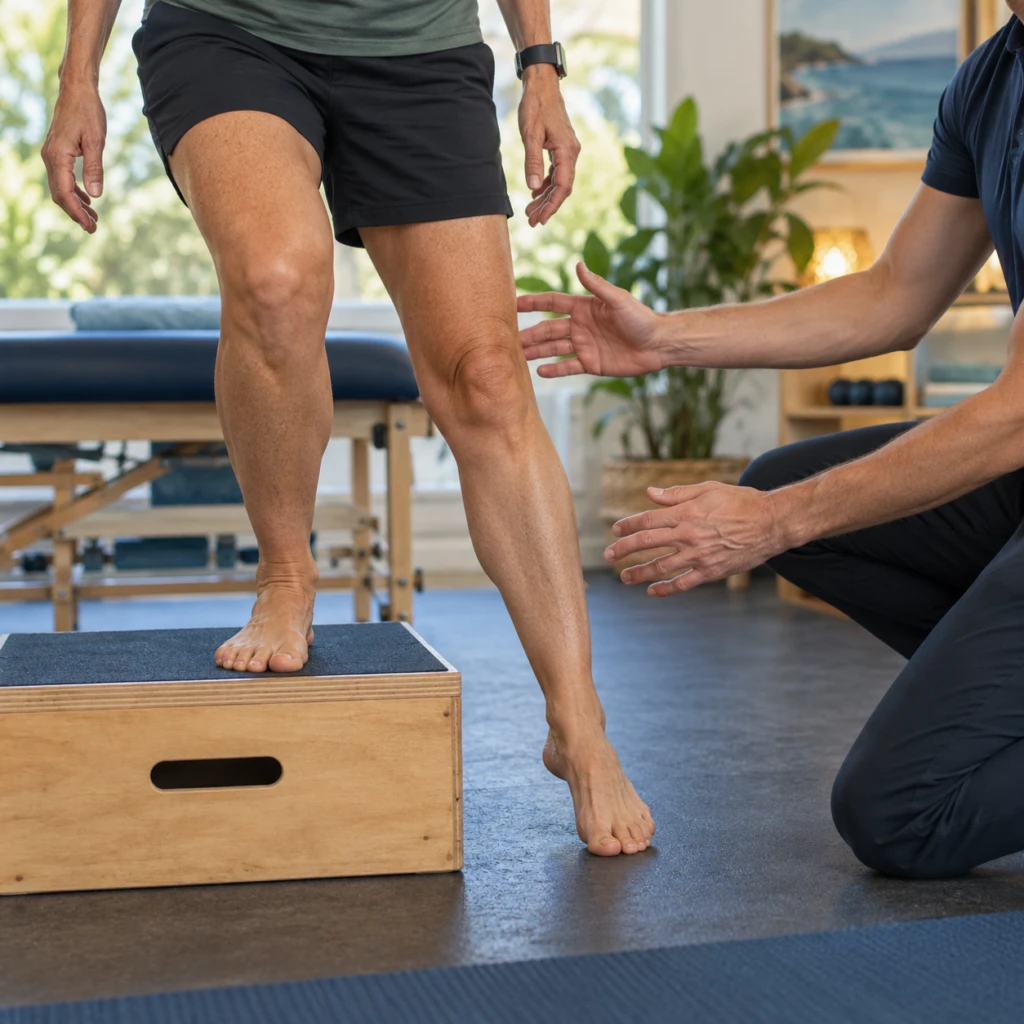
The calf raise you sneak in while everyone else is chatting. The test jog to the fence and back before netball, just to find out what sort of day it’s going to be.
Training around it isn’t the same as training.
More ways this shows up
Maybe it’s the shoulder that behaves in the gym right up until the last set. Maybe it’s the hamstring that never quite tore again but never quite let go either. Maybe it’s the ankle you rolled at footy three seasons ago that still won’t commit to a sideline cut (every club has someone with that ankle — sometimes it’s you).
You rested it. It settled. You went back. Somewhere around week three, so did it.
How it shows up
Different sports. Same unfinished business.
People looking for sports injury help in Warrnambool usually describe one of these patterns — The Barefoot Osteo assesses all of them.
- An injury that settled, then came back as soon as training picked up
- Pain that only shows up past a certain distance, weight, or set
- A strain or sprain that keeps recurring in the same spot
- One side that feels weaker or less reliable than the other
- Niggles that started with a new program, a new season, or a jump in training
- Getting back into running, the gym, or sport after time off
Different injuries. Different loads. That’s why “rest it and see” keeps sending you back to square one.
Why it keeps happening
Pain makes a terrible coach.
It only ever tells you when to stop.
At The Barefoot Osteo Warrnambool, we assess why sports injuries keep returning — including strength, control, training load, and how ready the area is for what your sport asks of it.
Pain is very good at saying stop. It has nothing useful to say about when you’re ready to start again — so most people use the next best signal, which is the day it stops hurting.
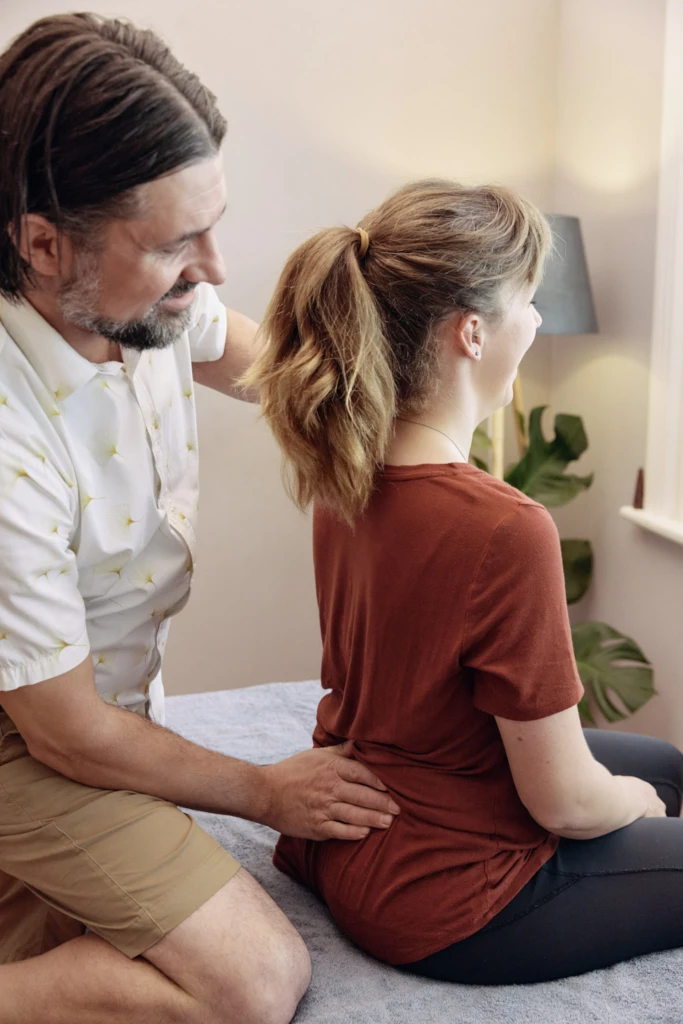
Most people treat what hurts.
We find out why it keeps happening.
Why “it stopped hurting” isn’t the finish line
Irritated tissue usually settles well before it’s back to full strength. The pain leaves first. The capacity — how much load that area can take, how many times, at what speed — comes back last, and only if something asks it to.
Rest doesn’t ask. Rest just waits.
So you go back to the same session, the same distance, the same Saturday, with an area that’s comfortable but underprepared. None of that is a character flaw. It’s what most care is set up to do: treat it until it stops hurting, then send you on your way.
The injury didn’t come back. It was never finished.
How we assess
We assess what your sport asks of you. Not just what hurts.
Sports injury assessment at The Barefoot Osteo Warrnambool includes case history, movement and strength testing, and load observation, with orthopaedic screening where appropriate.
1
Your story
The injury, the comeback attempts, and what your sport or session actually demands.
2
Your capacity
Strength, control, and how the area handles load compared with the other side.
3
Screening where needed
Orthopaedic screening where appropriate.
Then the explanation — what we found and why it matters, in plain English. Full method on the How We Work page.

Not sure where you fit?
Find your back pain pattern in 3 minutes.
Answer a few quick questions and get a plain-English read on the pattern that keeps bringing it back — no email required to see your result.
What care may include
Treatment settles it. Load is what rebuilds it.
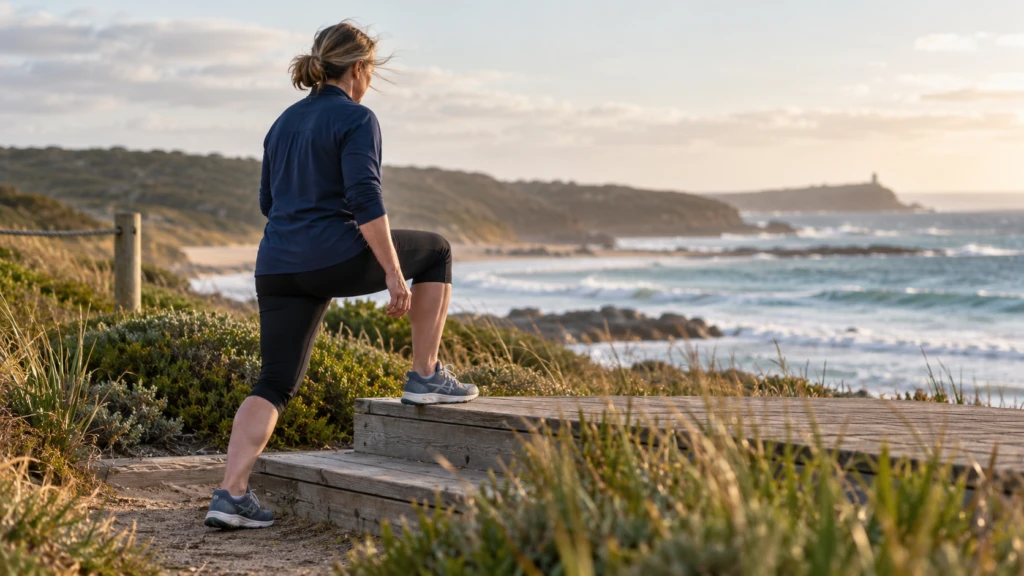
Care may include hands-on treatment, exercise prescription, and a graded plan back to the training or sport you want to return to.
01
Settle what is irritable
Hands-on care where appropriate, and enough of a break from the aggravating load to let things calm down.
02
Rebuild capacity
Strength and control work aimed at the actual finding, progressed as the area proves it can handle more.
03
Return in stages
A graded way back into training, so the first big session isn’t also the first real test.
What treatment can include
Hands-on treatment through the injured area and the joints around it, and exercise prescription built around your sport, your week, and what you actually have access to — a full gym, a home setup, or a park bench and twenty minutes.
Your plan depends on what’s driving your presentation, how your body responds, and what you want to get back to.
What we’re actually after
The win isn’t the first game back. It’s the fourth, when you forget to think about it.
The target isn’t just getting back. It’s getting back without negotiating with your body before every session.
- training again
- the full session
- the whole season
- the booked hike
First
Less pain
Settle it enough to rebuild properly, not just enough to play.
Then
More capacity
The area handles what your sport asks of it, with a little to spare, before full training resumes.
The destination
Less checking.
The injury drops out of the conversation in your head. You warm up for the game, not for the warm-up.
Ready isn’t when it stops hurting. It’s when you stop checking.
When to see a doctor first
Some sports injuries need medical assessment before anything else.
See a doctor first — or seek urgent care — if your injury involves:
- A significant impact, fall, or collision, especially to the head or neck
- A pop or crack with immediate swelling, deformity, or inability to bear weight
- Concussion symptoms — headache, confusion, dizziness, nausea, or vision changes
- Numbness, tingling, or weakness spreading into an arm or leg
- A hot, red, swollen joint, or fever
- Calf pain with swelling or warmth, especially after travel or surgery
That list isn’t exhaustive — if something about your situation feels off, get it checked.
What to expect if you book
Booking shouldn’t be the stressful part.
1
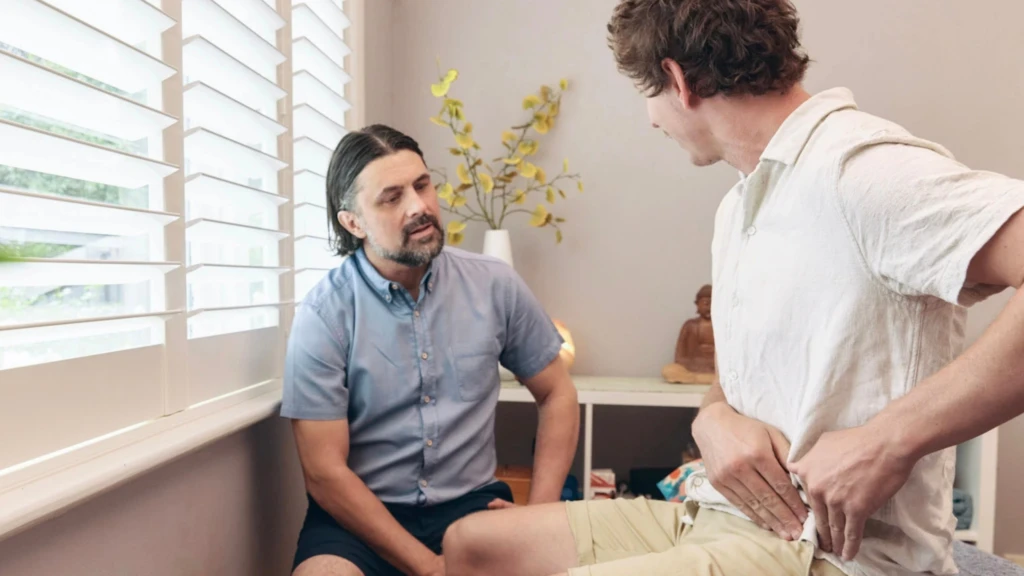
Your story first
The injury, the comeback attempts, and what you want to get back to.
2
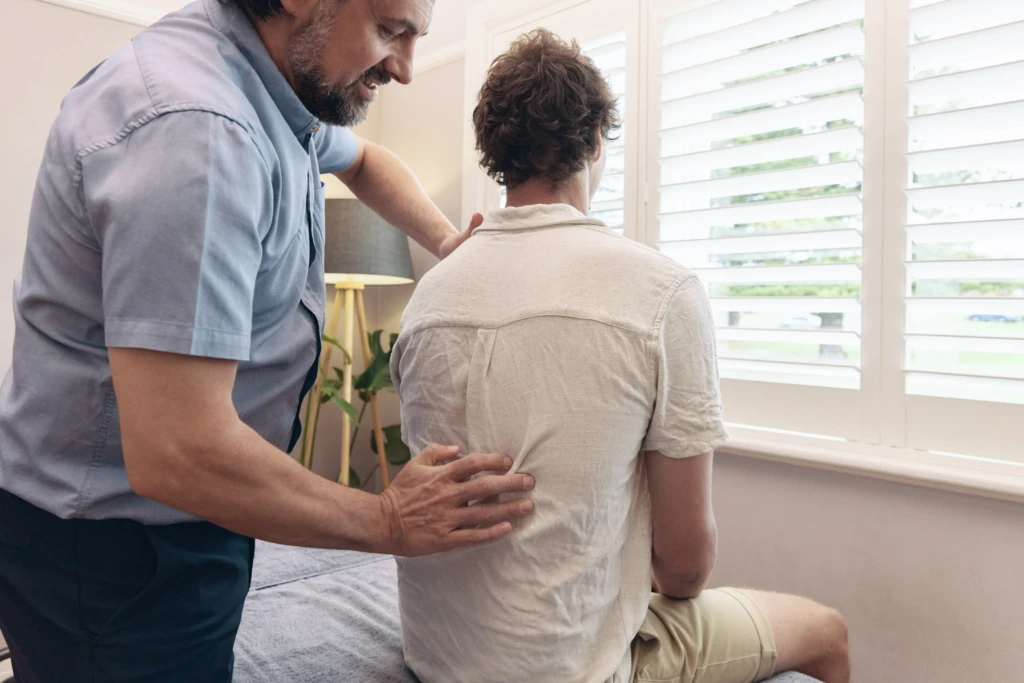
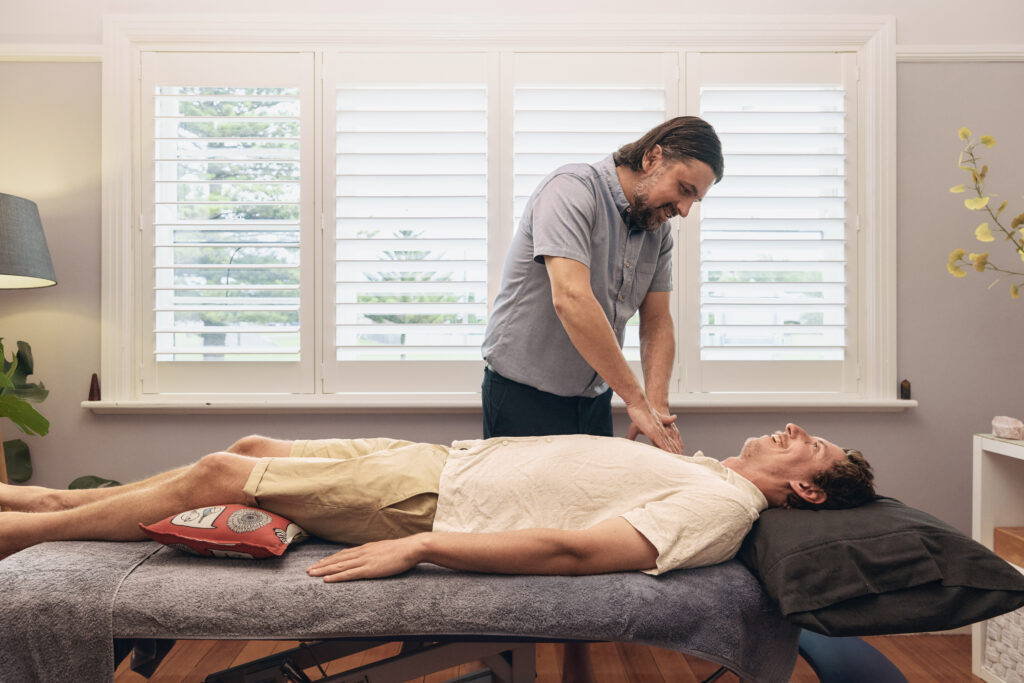
Assessment, then treatment
Shorts and a T-shirt make movement testing easier. Bring your training shoes if you have them.
3
A clear explanation and plan
Fees shown in the booking system before you confirm. Full rundown on the Fees page.

The Barefoot Bulletin
Look after your body between seasons.
Grounded, no-nonsense insights on movement, recovery, and everyday resilience — straight to your inbox, once a week. No spam, unsubscribe anytime.
Quick questions
The things people ask before they book.
Can osteopathy help with sports injuries?
Osteopathic care may help with sports and movement injuries, depending on what’s driving them. Assessment comes first — including how the area handles load, not just where it hurts.
Do I have to stop training?
Not always. Often the plan changes what you’re doing rather than stopping it — keeping the useful training while the aggravating load eases back for a while.
I’m not an athlete. Is this for me?
Yes. Most people we see for this aren’t competing at anything. They want the gym, parkrun, the netball season, the surf, or the hike that’s already booked.
I’ve had surgery. Can you help with the rehab?
We work alongside your surgeon’s protocol and timeframes, not around them. Bring any paperwork you have.
Do I need a scan or referral first?
No referral needed. Bring any imaging you have, but assessment doesn’t require it. If imaging would genuinely change the plan, we’ll tell you why.
Will I be treated at the first appointment?
In most cases, yes — assessment first, then treatment where clinically appropriate. If it’s not suitable on the day, we’ll explain why.
How many appointments will I need?
It depends on the injury, how long it’s been going on, and how it responds. Within the first few appointments we want signs it’s handling more. If it isn’t, we change the plan.
When should I see a doctor instead?
After a significant impact, a suspected fracture or dislocation, concussion symptoms, spreading numbness or weakness, or a hot swollen joint — doctor first.
Find us
On the highway.
Hard to miss.
On Raglan Parade, serving Warrnambool, Koroit, Port Fairy, and Allansford.
The Barefoot Osteo Warrnambool
728 Raglan Parade, Warrnambool VIC 3280
Tues & Wed 2:00–7:00pm
Fri & Sat 10:30am–4:00pm
Driving in from out of town? Port Fairy, Koroit, and Allansford pages cover the trip.

Ready when you are
If your body keeps calling time-out early, let’s find out why.
You don’t need to know whether it’s the injury, the training load, or something upstream that’s been quietly covering for years. You just want to be the Saturday-morning person again.
You bring the pattern. We’ll trace the picture. No commitment. No hard sell. Just a proper assessment and a plan in plain English.