
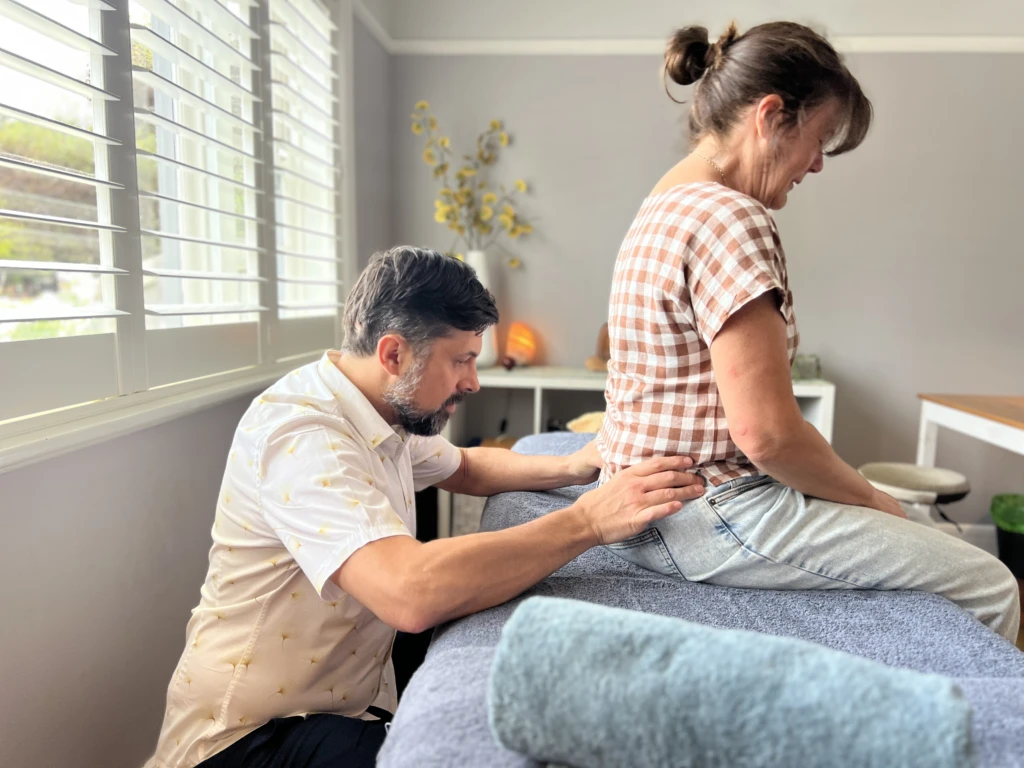
Chronic Lower Back Pain Warrnambool
Chronic lower back pain needs more than a good week.
At The Barefoot Osteo Warrnambool, recurring lower back pain is assessed by looking at the pattern around the pain: what sets it off, what settles it, and what your back is being asked to tolerate.
About the clinic
The Barefoot Osteo Warrnambool is an evidence-informed osteopathy clinic in Warrnambool, Victoria, run by Kyle Quinn, Registered Osteopath. The clinic assesses persistent and recurring lower back pain by looking at movement, load tolerance, stability, triggers and other contributing factors. Care may include hands-on osteopathic treatment, movement advice, exercise prescription and practical management strategies based on the person’s presentation.
When it becomes a pattern
You stopped calling it an injury a while ago.
Chronic lower back pain often becomes something people quietly manage for months or years before the pattern behind it is ever properly explained.
At first, it had a story. You lifted something awkwardly. Sat too long. Trained a bit hard. Slept badly. Did the garden, which somehow requires the spine of a 24-year-old Olympic rower despite involving mulch and poor decisions. Then it happened again.
That’s not weakness. It’s a body you no longer fully trust.
When pain changes how you move
At first, it had a story. You lifted something awkwardly. Sat too long. Trained a bit hard. Slept badly. Then it happened again. After a while, it’s not one clean incident anymore.
That’s the part chronic lower back pain rarely gets credit for. It doesn’t just hurt. It changes your relationship with ordinary movement.
You start negotiating with ordinary things: the chair, the drive, the garden, the training session, and the thing on the floor that suddenly looks like a trap with handles.
Once trust becomes part of the problem, pain is no longer the only thing worth measuring.
Lower back pain patterns
Same back. Different disguises.
People searching for chronic lower back pain help in Warrnambool often describe recurring patterns that change with sitting, lifting, driving, work, training, sleep, stress, or fatigue.
People often come in with one version of the problem, then realise there are three others quietly attached to it.
- Lower back pain that settles, then returns again
- Stiffness first thing in the morning
- Pain or tightness after sitting, driving, or desk work
- Flare-ups after lifting, gardening, work, or training
- A back that feels guarded when bending forward
The better question is: what keeps bringing it back?
Why these patterns matter
A back can be coping until the load, timing, recovery, or movement demand tips it over the edge.
That’s why one person might feel worse after sitting, another after lifting, and another after a week of poor sleep and too much work.
Different disguises. Same question underneath.
See more patterns
- Lower back tightness with hip stiffness or restriction
- Symptoms that travel into the buttock, hip, or leg
- Good weeks and bad weeks with no obvious reason
- Pain that worsens when sleep, stress, or fatigue goes sideways
- The familiar “I thought it was better” flare-up
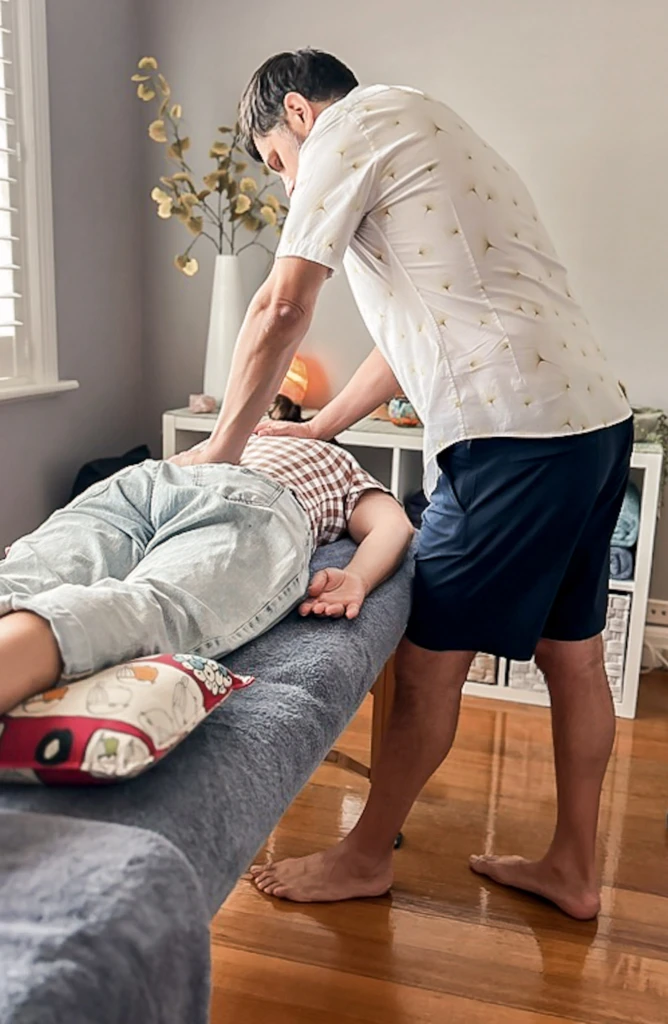
Why it keeps coming back
The flare-up is loud. The pattern is the problem.
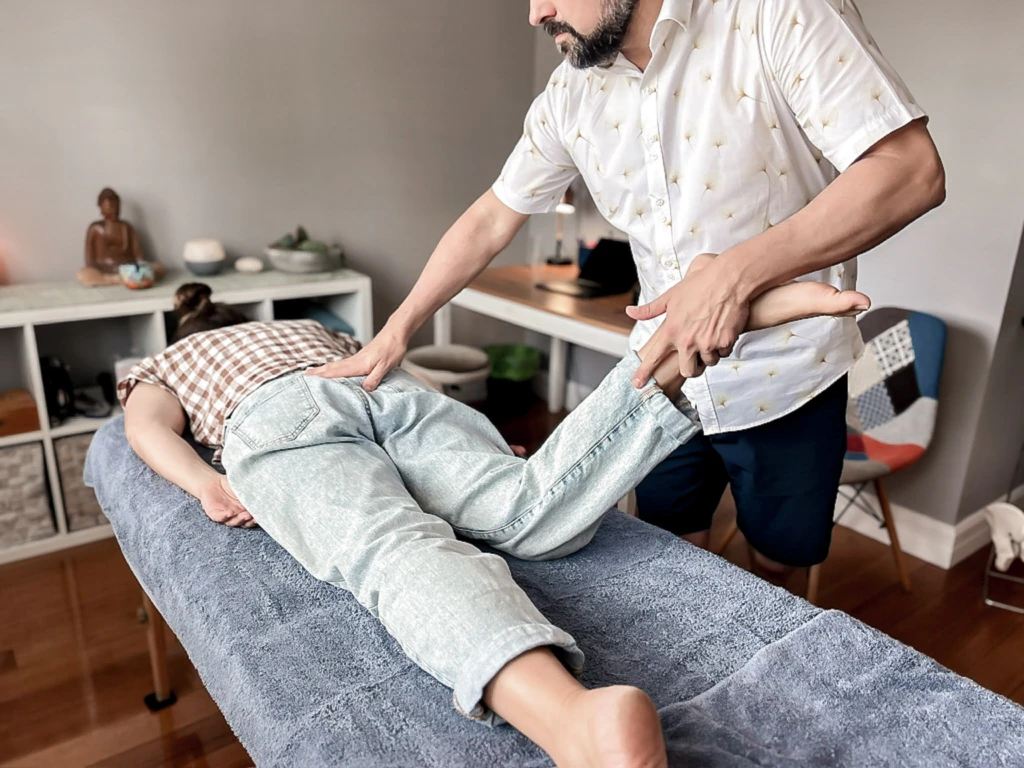
A flare-up gets your attention because it’s noisy: the sharp grab, the stiff morning, the awkward bend that makes you reconsider your entire relationship with laundry baskets. But by the time it flares, you’re usually hearing the end of the conversation.
Most people treat what hurts.
We find out why it keeps happening.
What might be building underneath
At The Barefoot Osteo Warrnambool, chronic lower back pain assessment looks at load tolerance, movement patterns, spinal stability, recovery capacity, and the triggers that keep the cycle repeating.
Chronic lower back pain often lives in the gap between what your body can tolerate and what your life keeps asking from it.
What matters is what has been building underneath the flare-up: how your back handles sitting, lifting, bending, walking, work, sleep, stress, fatigue, and all the repeat loads that never look dramatic enough to blame on their own.
It may be the repeat loading, the guarded movement, the stiffness you’ve worked around for months, or the small mismatch between what your back can tolerate and what life keeps demanding from it.
That’s why assessment needs to look beyond the sore spot — because guessing gets old.
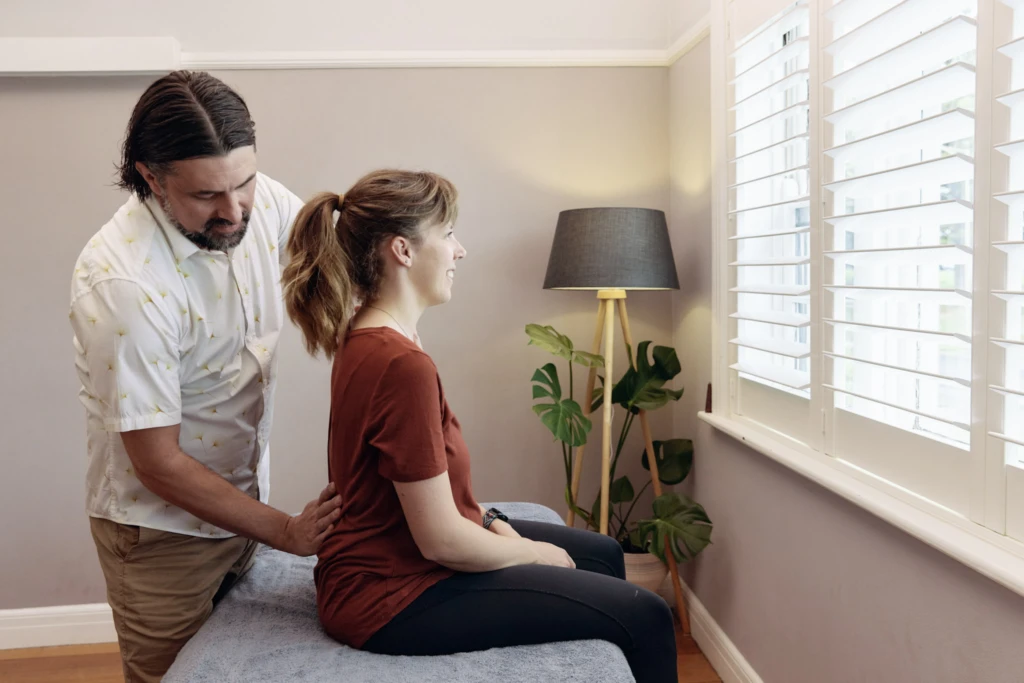
Chronic back pain management
Some backs need a plan, not a finish line.
Chronic lower back pain management at The Barefoot Osteo Warrnambool may include treatment, home strategies, exercise, trigger planning, and maintenance rhythms that depend on your presentation.
Some lower back pain settles and stays settled. Some chronic lower back pain doesn’t.
Here’s the honest part: that doesn’t mean something is wrong with your back. It means some patterns need a management plan that can handle real life.
What a management plan may include
The ones that settle and stay settled? Lovely. We’ll take that win and skip the TED Talk.
The ones that don’t aren’t a sign you’re signing up for appointments until the sun burns out.
A management plan may include what to do at home, which exercises or movements matter most, what to reduce during a flare-up, and when to get help before the whole thing turns into a small domestic weather event.
The timing looks different for everyone. Some people may go months between maintenance appointments. Others need shorter gaps for a while, especially during heavier work, training, stress, poor sleep, or repeated flare-ups.
Not one plan forever. The right plan for where your back is now, with room to adjust as things change.
Management isn’t failure. It’s knowing what to do before the whole thing becomes bigger than it needed to be.
Chronic back pain assessment
The history matters as much as the sore spot.
Chronic lower back pain assessment at The Barefoot Osteo Warrnambool starts with your story, then looks at movement, stability, load tolerance, and the triggers that keep repeating.
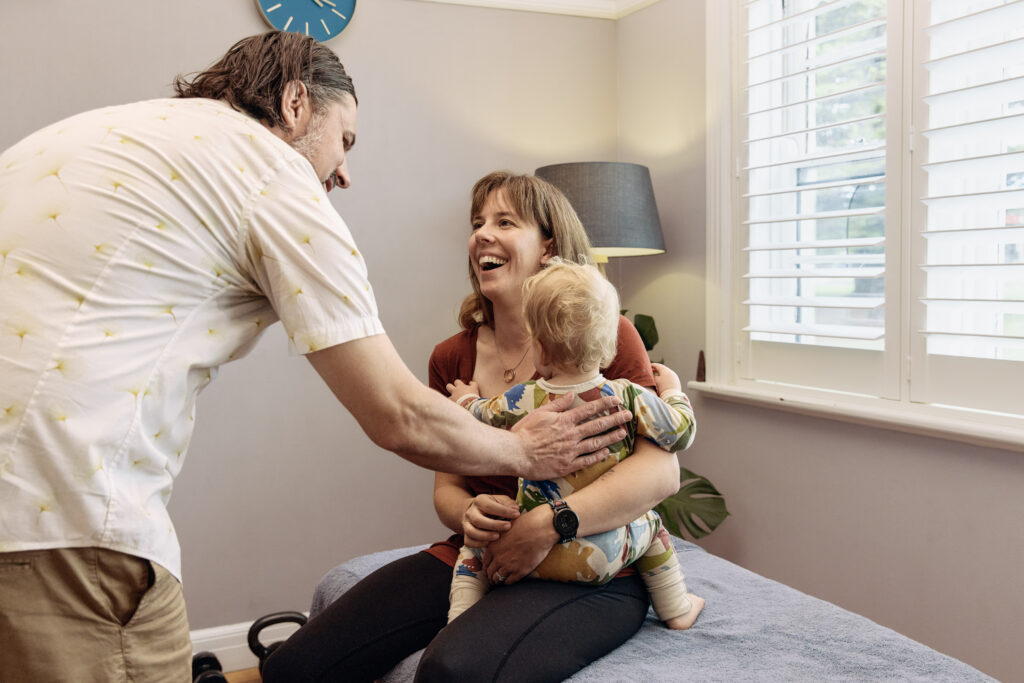
1 · Your story
What sets it off, what settles it, what keeps returning — and what’s already been tried.
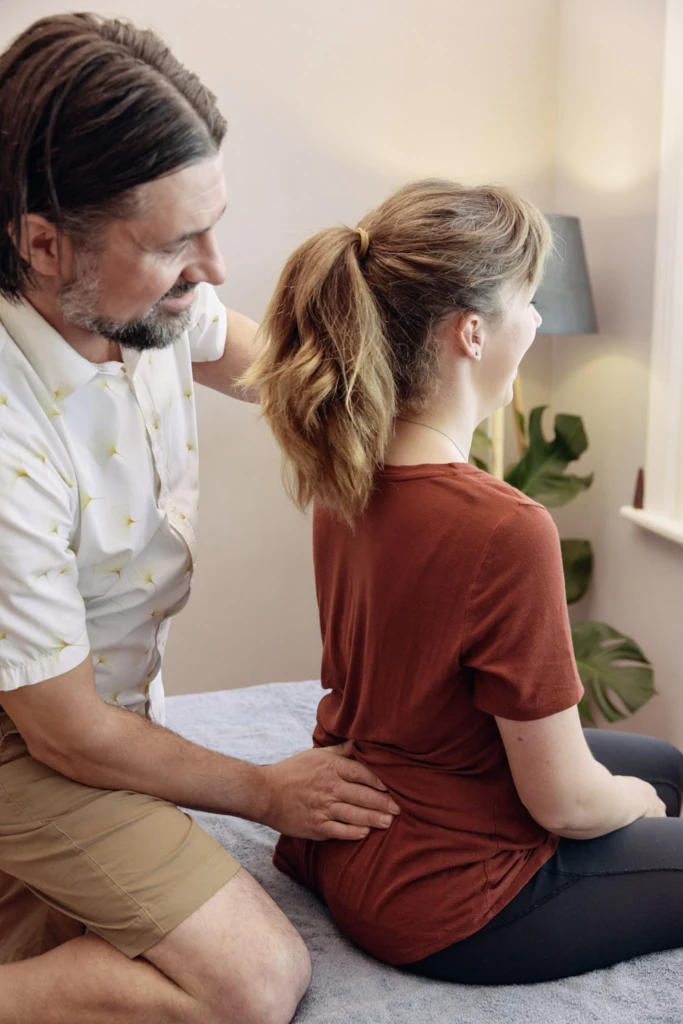
2 · Your movement
How your hips and spine share load, and which positions you tolerate.
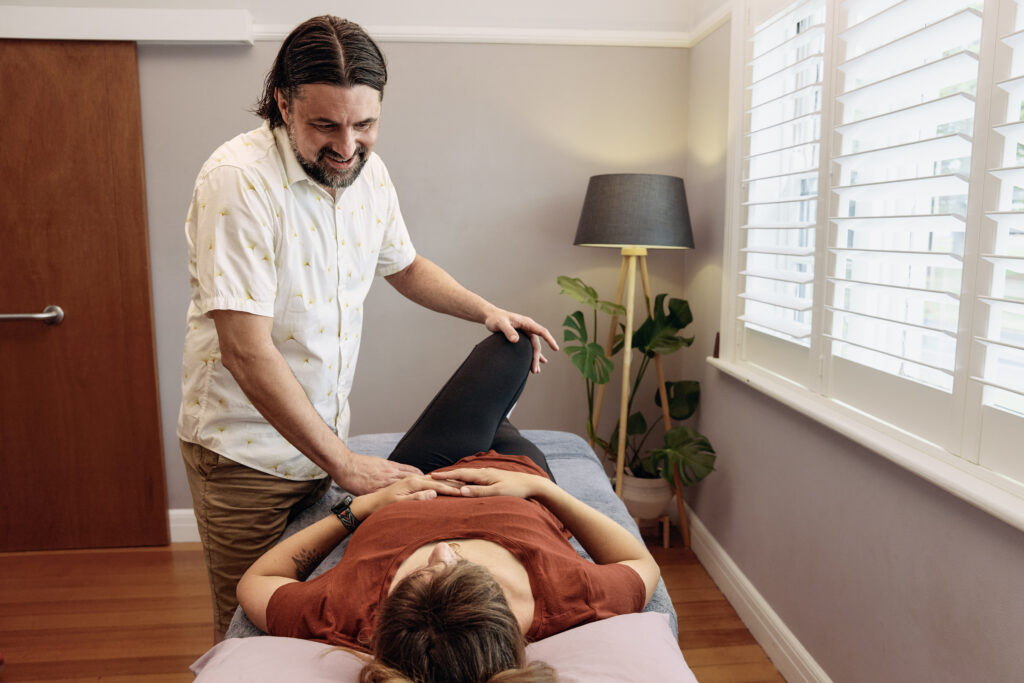
3 · Screening where needed
Neurological or orthopaedic screening if signs suggest referral or investigation.
Then we explain what we find in plain English. The full method is covered on our How We Work page.
What we look for
With chronic lower back pain, “where does it hurt?” is only the opening question. We want to know how it behaves: what sets it off, what settles it, what keeps returning, what has helped before, and what stopped helping.
We look at how your back moves, how your hips and spine share load, how you tolerate certain positions, and whether any signs suggest you need medical referral or further investigation.
Not a dramatic diagnosis parade. Not a shrug and a stretch sheet. A working picture.
Not sure where you fit?
Find your back pain pattern in 3 minutes.
Answer a few quick questions about how your back behaves and get a plain-English read on the pattern that keeps bringing it back — no email required to see your result.
What care may include
Treatment is one part of the plan. Not the whole plan.
Care for chronic lower back pain may include hands-on osteopathic treatment, movement advice, exercise, stability work, load management, and practical home strategies.
The treatment room matters. So does the rest of your week. What you do between appointments, how you move, what keeps loading the area, and how you respond when symptoms start building all shape the plan.
Examples of care
Depending on what your assessment shows, care may include:
- Hands-on osteopathic treatment where appropriate
- Mobility work and spinal stability exercises
- Movement advice and exercise prescription
- Load management for sitting, lifting, work or training
- Flare-up planning and reassessment as things change
Some people need more hands-on support early. Some need a clearer home plan. Most need both in different amounts at different times.
The mix depends on what your back needs, what your week demands, and what’s actually realistic to keep doing.

Maintenance and flare-ups
Some backs need a map, not a miracle.
Chronic lower back pain may need different levels of management over time, including home care, flare-up planning, reassessment, and maintenance appointments where appropriate.
There’s a strange idea that the only good outcome is needing nothing ever again. Lovely idea. Very tidy. Also not how many chronic conditions behave.
A good plan shouldn’t make you dependent. It should make you clearer.
What maintenance can look like
For some people, maintenance is occasional. For others, it’s closer together for a period — heavier work, higher training load, stress, poor sleep, or a flare-up cycle.
The point isn’t a forever appointment calendar. It’s knowing what rhythm supports the plan, and when that rhythm can change.

The real goal
“Pain is useful information, but it is a terrible scoreboard.”
Chronic lower back pain care here focuses on movement, tolerance, confidence, triggers, and management — not pain levels alone.
- movement
- tolerance
- confidence
- triggers
The noise
Pain is loud
Even when the body is coping better than it feels
The signal
Progress is quiet
Even when the same pattern is still sitting there
The destination
A back you trust.
So we don’t build the whole plan around pain alone. The goal isn’t just a quieter back — it’s a back you understand, manage, and trust more often.
Fewer bad days is nice. Knowing what to do on them is better.
Medical first
Some symptoms need a doctor first. No debate.
Most lower back pain is uncomfortable, frustrating, and deeply inconvenient. It’s not usually dangerous. But some symptoms need medical care first.
Seek urgent medical advice if you notice:
- Changes to bladder or bowel control
- “Saddle numbness” (means altered sensation around the areas that would touch a saddle). If that shows up, with bladder or bowel changes, seek urgent medical advice.
- Numbness or altered sensation around the groin, inner thighs, genitals, or back passage
- Progressive leg weakness
- Fever
- Unexplained weight loss
- History of cancer
- Significant trauma
- Severe symptoms that are worsening
Don’t wait for an osteopathy appointment. Doctor or emergency first — and that list isn’t exhaustive. If something about your situation feels off, get it checked.
Your first appointment
The appointment starts with the story your back keeps repeating.
01
60-minute initial consult
Time to actually look, not just where it hurts.
02
Treatment, explained as we go
Every technique has a reason. You’ll hear it.
03
A plan you take home
What we found, why it matters, what’s next.

The Barefoot Bulletin
Look after your back between flare-ups.
Grounded, no-nonsense insights on movement, recovery, and everyday resilience — straight to your inbox, once a week. No spam, unsubscribe anytime.
Chronic back pain FAQ
The questions people ask before they book.
These answers explain how The Barefoot Osteo Warrnambool approaches chronic lower back pain, management plans, flare-ups, referrals, and first appointments.
Can osteopathy help with chronic lower back pain?
Osteopathic care may help with chronic lower back pain, depending on the presentation. At BFO, we assess the pattern first: movement, load tolerance, triggers, spinal stability, recovery, and what keeps bringing the problem back.
What if I have had lower back pain for years?
That’s common with chronic lower back pain. Long history doesn’t automatically mean nothing can change, but it does mean the plan needs to be realistic. We look at what has been tried, what helped, what didn’t, and what your back is asking for now.
Does chronic lower back pain always go away?
Not always. Some episodes settle and stay settled. Some chronic conditions need ongoing management, maintenance, or a flare-up plan. That’s not failure. It’s the difference between hoping it behaves and knowing what to do when it doesn’t.
What does a management plan involve?
A management plan may include treatment, home exercises, movement advice, trigger identification, flare-up strategies, load management, and guidance around when to seek support. The plan depends on your presentation, goals, and how your back responds.
How often will I need maintenance appointments?
It depends. Some people go weeks or months between appointments. Some need shorter gaps for a while, especially during heavier work, training, stress, or flare-up periods. The aim isn’t dependency. The aim is a rhythm that supports the plan.
What can I do at home between appointments?
That depends on what’s driving your pattern. It may include specific exercises, walking, mobility work, stability training, pacing strategies, or knowing which movements to reduce during a flare-up. The important part is understanding why those steps matter.
What if my back flares up again?
A flare-up doesn’t always mean you’re back at the start. It may mean the plan needs to be used, adjusted, or reviewed. The goal is to catch things early, reduce panic, and know what to do before a small problem turns into a bigger one.
When should I see a doctor first?
Seek medical care first if you have bladder or bowel changes, saddle numbness, progressive leg weakness, fever, unexplained weight loss, history of cancer, significant trauma, or severe symptoms that are worsening. Those signs need medical assessment before osteopathy.
Find us
On the highway.
Hard to miss.
On Raglan Parade, serving Warrnambool, Koroit, Port Fairy, and Allansford.
The Barefoot Osteo Warrnambool
728 Raglan Parade, Warrnambool VIC 3280
Tues & Wed 2:00–7:00pm
Fri & Sat 10:30am–4:00pm
Driving in from out of town? Port Fairy, Koroit, and Allansford pages cover the trip.

Ready when you are
Whenever you’re ready.
Book a chronic lower back pain assessment and start with a clearer picture of the pattern, triggers, and plan.
You don’t need to wait for the next big flare-up. Not with a guess — with an assessment, an explanation, and a plan you can actually work with.