
The Barefoot Osteo
You want your body to stop being something you manage.
Why we assess the way we do — and what it means for the patterns that keep bringing you back to the same problem.
Who this is for
You don’t need another treatment.
You need to know why it keeps coming back.
You’ve probably already tried the obvious things. A few appointments. A few exercises. Maybe massage or physio. Maybe the stretch you found online at 10:37pm because your back had started doing that thing again and sleep was looking less like rest and more like a negotiation.
And some of it helped. For a while.
That’s the frustrating part.
Not that nothing changed, but that it didn’t hold.
Why does your body keep ending up back here?
The pain settled, then came back.
The tightness eased, then returned. The same pattern kept tapping you on the shoulder like it owned the place.
That’s where The Barefoot Osteo starts.
Not with the sore spot alone. Not with a quick look, a generic exercise, and a “see how you go.”
We start with the bigger question:
Why does your body keep ending up back here?
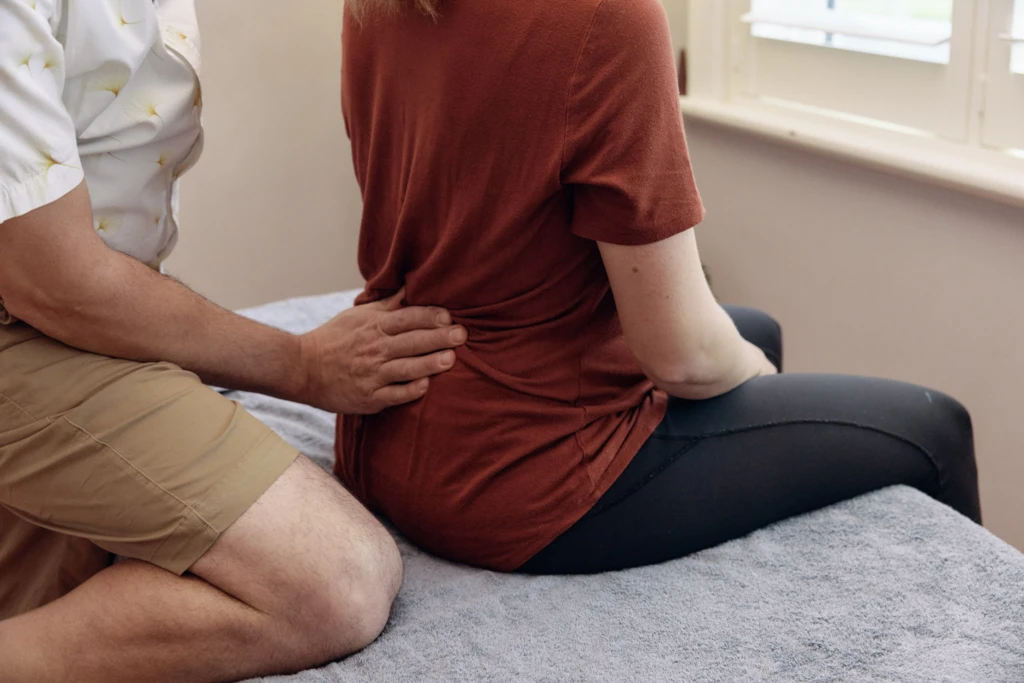
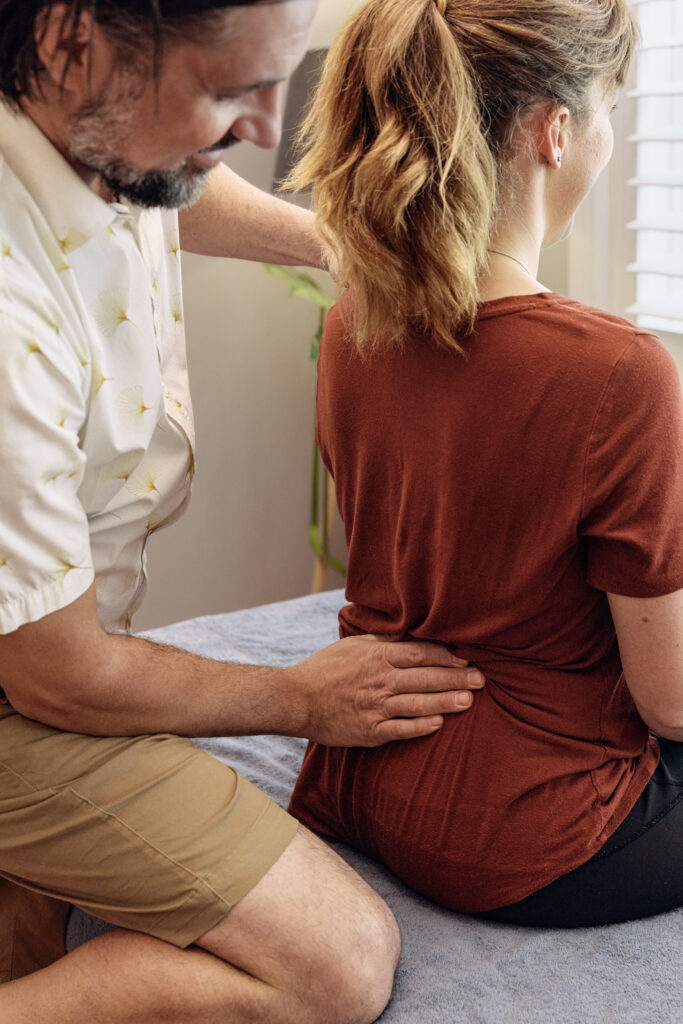
The sore bit is usually late to the meeting.
Pain is loud. That’s the problem.
Your back hurts, so the back gets the blame. Your neck tightens, so the neck becomes the villain.
Your hip complains, and suddenly the hip is under investigation like it committed the whole crime alone.
Most people treat what hurts.
We find out why it keeps happening.
What we look for beyond the sore spot
But the body rarely works in isolation.
At The Barefoot Osteo Warrnambool, osteopathic assessment looks beyond the painful area to understand the patterns, habits, and load that may be driving the problem.
The sore area matters. Of course it does.
But it is often only part of the story.
The bigger question is what has been loading it, protecting it, avoiding it, or asking it to do a job it was never meant to do alone.
Small things.
Repeated often enough.
That is usually where the answer starts to show itself.
The ankle that never quite came back online. The hip that stopped rotating properly. The way you brace before you bend because your body remembers last time.
These details matter because pain is often the final message, not the first event. The sore bit speaks loudly. The pattern usually whispers first.

Who you’ll be working with
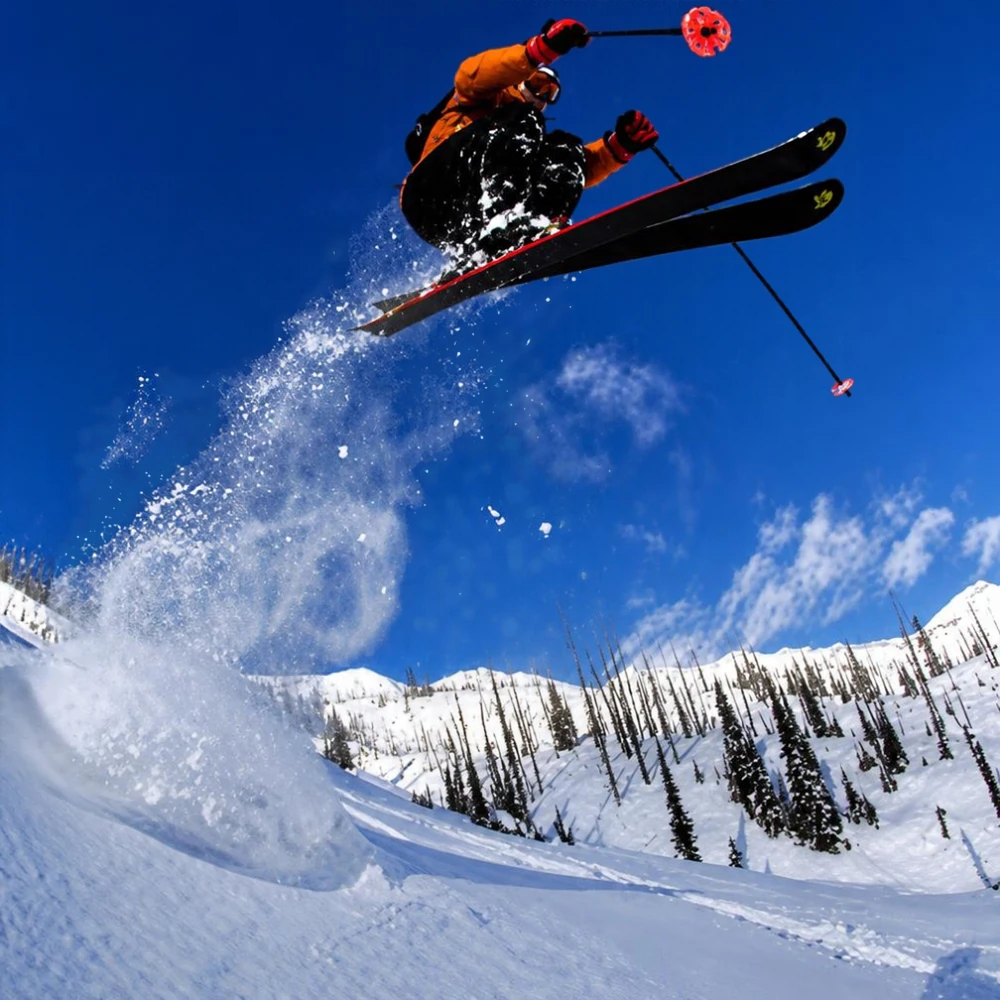
It started with ski boots, sand, and a question that wouldn’t leave.
Kyle Quinn grew up in Canada, where feet spend more time locked into ski boots than feeling the ground. Then he moved to Australia, and standing barefoot on the sand stopped being just comfortable and started being something he noticed properly.
Barefoot became a lens. A way of asking better questions.
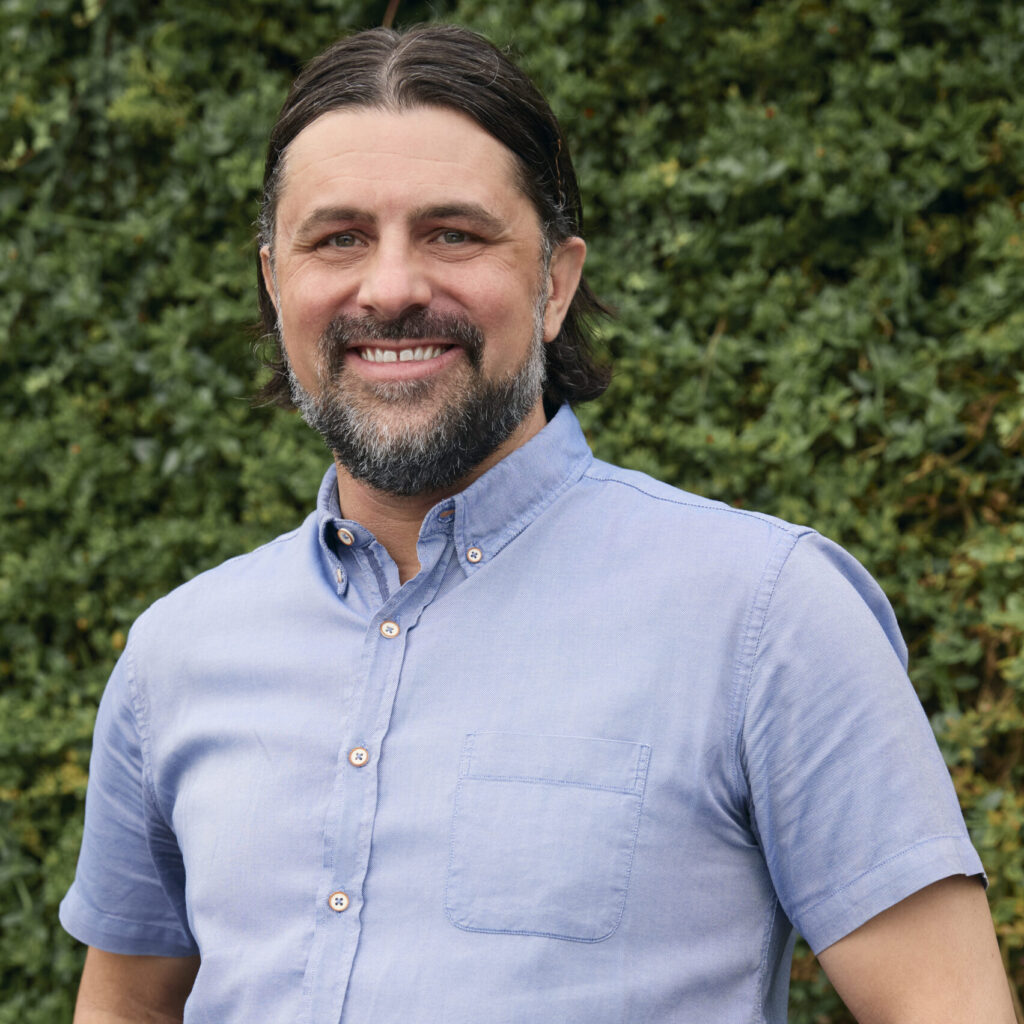
Kyle Quinn. Registered Osteopath,
Barefoot most days.
Practising osteopathy since 2015, and 10 years as a remedial massage therapist before that — time enough to feel how bodies compensate, guard, adapt, and quietly get away with things until they don’t.
“I look at the body like links in a chain. We’re only as strong as our weakest link. I’m interested in the psychology of movement, what motivates you to move or not move, and the habitual movement patterns repeated again and again.”
— Kyle Quinn
Kyle Quinn. Registered Osteopath, Barefoot most days.
Practising osteopathy since 2015, and 10 years as a remedial massage therapist before that — time enough to feel how bodies compensate, guard, adapt, and quietly get away with things until they don’t.
Kyle’s training and clinical background
Kyle Quinn holds a Master of Osteopathic Medicine, Bachelor of Clinical Science, Bachelor of Naturopathy, and Certificate IV in Remedial Massage. He is registered with AHPRA and continues to build his clinical framework through ongoing professional development, including advanced training in spinal stability assessment.
This background matters because The Barefoot Osteo is not built around a single technique. It’s built around clinical reasoning, assessment, pattern recognition, hands-on treatment, clear explanation, and practical steps patients can actually use.
“I look at the body like links in a chain. We’re only as strong as our weakest link. I’m interested in the psychology of movement, what motivates you to move or not move, and the habitual movement patterns repeated again and again.”
Barefoot is not the treatment.
It’s the way we think.
Not a foot clinic, and not a rule about shoes.
The Barefoot Method
Find the pattern. Understand the load. Build the foundation.
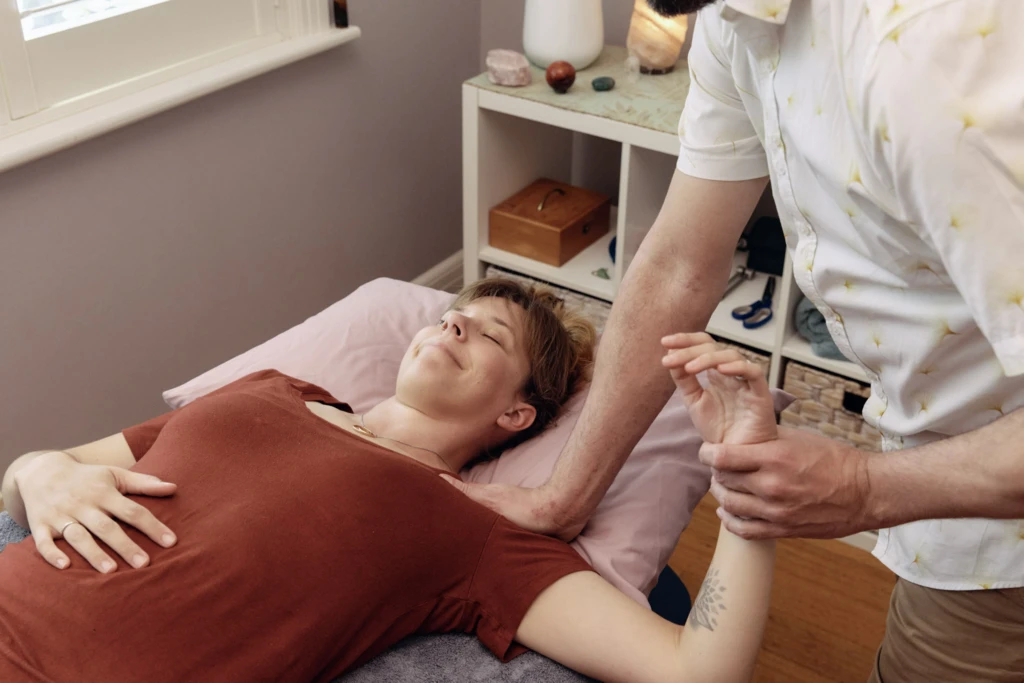
The Barefoot Method uses osteopathic assessment, hands-on treatment, and practical movement guidance to help patients understand what their body is doing.
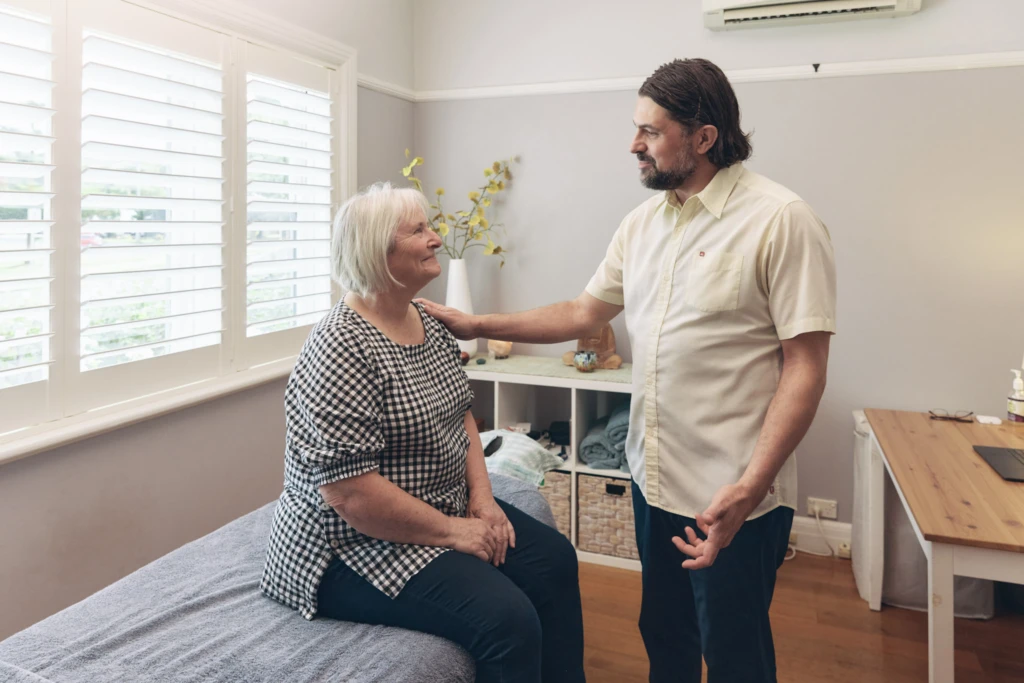
01
Find the pattern
We look at what your body keeps repeating, not just the area that hurts.
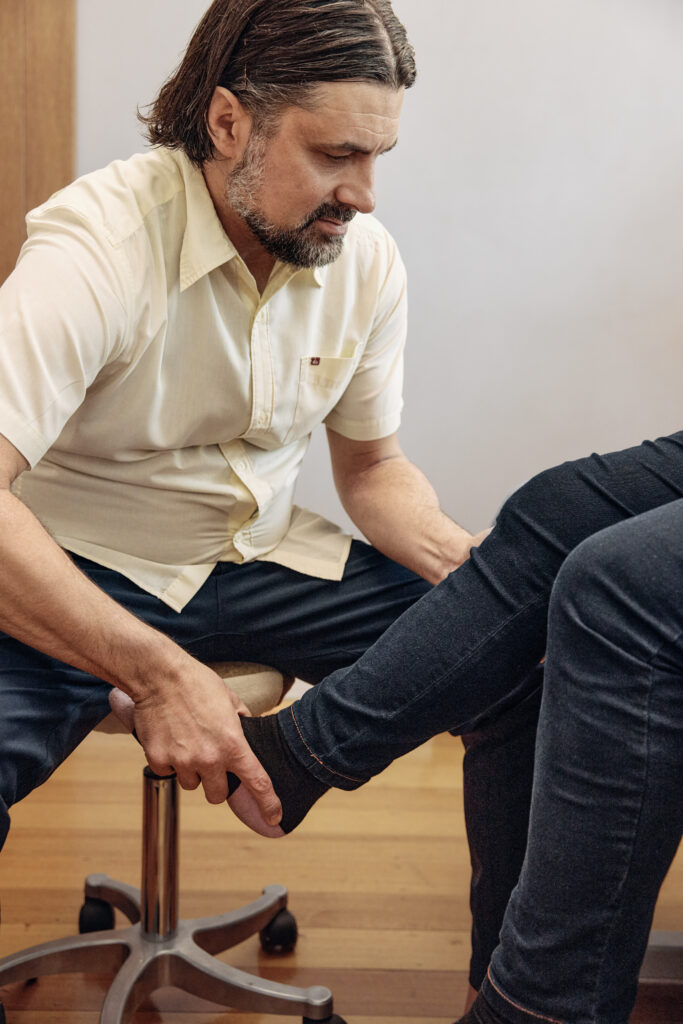
02
Understand the load
You leave knowing what we found, why it matters, and how it’s affecting the way you move.
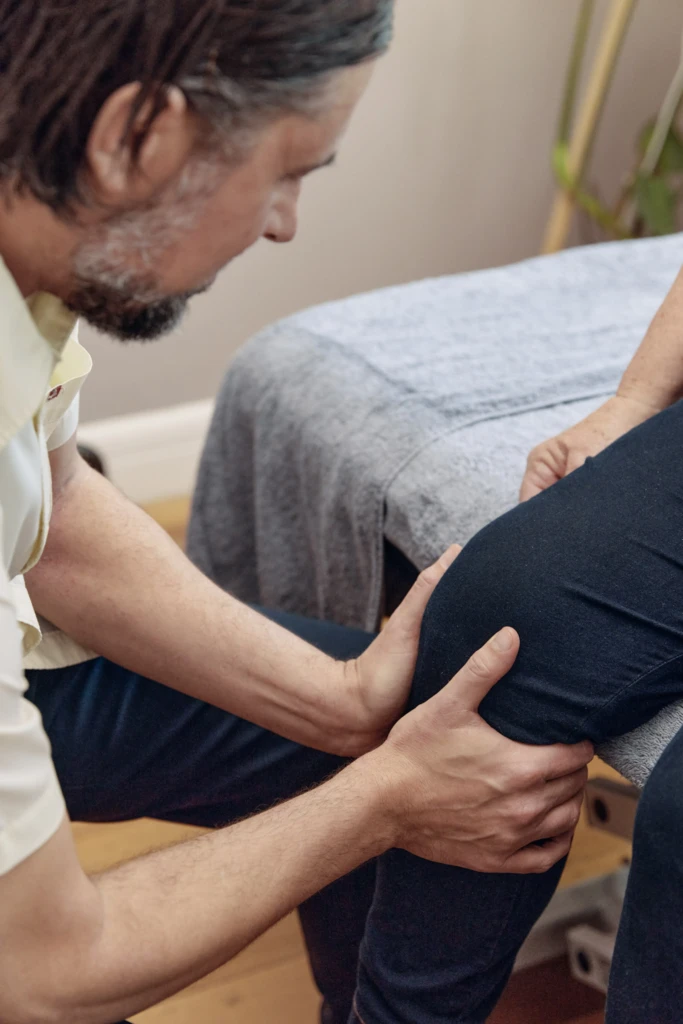
03
Build the foundation
We start treatment, then give you clear steps to work with between appointments.
01
Find the pattern
We look at what your body keeps repeating, not just the area that hurts.
02
Understand the load
You leave knowing what we found, why it matters, and how it’s affecting the way you move.
03
Build the foundation
We start treatment, then give you clear steps to work with between appointments.
The maths of it
10,080
minutes in a week
30
of them in the clinic
The rest is where change has to be built.
- Not with heroic rehab plans you’ll abandon by Thursday.
- With small, clear, repeatable steps that make sense in your actual life.
What happens between appointments
Treatment can help create a better option than guarding, bracing, or repeating the same workaround. But passive treatment forever was never the goal.
A clearer body, a clearer plan, and enough understanding to know what comes next. That might mean changing how you move, building capacity, or noticing the small habits that keep loading the same area again and again.
The goal was never a loyal patient. It was a capable one.
If nothing changes
You’ll keep adjusting.
And one day you’ll realise you’ve forgotten what capable felt like.
Nobody decides to shrink. It happens in small negotiations. You stop lifting the heavy end. You take the shorter walk. You sit out the second half. You book the aisle seat.
Each one is sensible on its own. Together they quietly redraw what you think you’re capable of, and the pattern that started it never gets looked at.
That’s the part worth catching early.
What we’re actually after
Four words.
“I trust my body again.”
Not a body you have to think about. Not a body you plan the week around. One you can stop monitoring, because it stopped giving you reasons to.
For most people that looks ordinary from the outside. Bending without bracing first. Taking the long way back to the car. Getting through a shift, a session, or a weekend without negotiating with yourself about it afterwards.
Results vary, and no assessment can promise a particular outcome. But understanding the pattern is what gives you something to work with, rather than another thing to manage.
Recognise the pattern
Results vary, and no assessment can promise a particular outcome. But understanding the pattern is what gives you something to work with, rather than another thing to manage.

Ready when you are
If your body keeps coming back to the same problem, let’s find out why.
You don’t need to know whether it’s your back, hip, neck, shoulder, posture, core, old injury, new habit, or the way you got out of the car last Thursday.
You bring the pattern. We’ll look at the whole picture. No commitment. No hard sell.